From the journal · November 26, 2026
Cleaner Cities and Better Public Spaces Begin With Dependable Waste Services
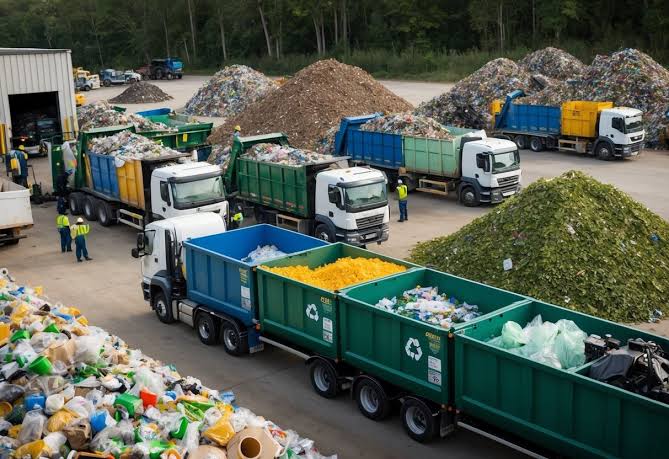
There’s something reassuring about walking through a clean neighborhood early in the morning. The sidewalks are clear, public garbage containers aren’t overflowing, and the local park looks ready to welcome another day’s visitors. These ordinary details contribute to how people experience their community, even if they rarely stop to think about them.
Well-organized city and public facility waste services help maintain these surroundings by addressing everyday disposal requirements across residential areas, government buildings, recreational facilities, and other shared spaces.
Of course, keeping an entire city clean isn’t a simple undertaking. Population growth, changing visitor patterns, public events, and seasonal fluctuations can all influence waste collection requirements.
The communities that handle these challenges effectively tend to approach waste management as an ongoing responsibility rather than an occasional cleanup exercise.
Understanding What Makes Public Waste Management Different
Collecting garbage from a single property is relatively straightforward compared with managing disposal requirements across an entire municipality.
A public library might generate mostly paper and packaging waste, while a recreational center deals with food containers, beverage bottles, and other discarded materials throughout the day.
Public parks experience different challenges altogether, particularly during weekends and community events.
These differences matter when selecting containers and determining collection frequency.
Giving every public facility the same disposal arrangement might appear convenient from an administrative perspective, but it doesn’t necessarily reflect actual requirements.
Municipal planners can benefit from observing how different locations are used, identifying recurring waste problems, and developing collection arrangements accordingly.
Sometimes, relatively small adjustments can make public spaces noticeably cleaner without requiring substantial additional expenditure.
Why Consistent Garbage Collection Builds Public Confidence
Nobody enjoys dragging a garbage container to the curb only to discover that collection hasn’t taken place as expected. For residents and commercial property owners, missed pickups can create unnecessary inconvenience.
Establishing dependable pickup schedules allows communities to manage their waste more confidently while reducing the likelihood of overflowing containers, unpleasant odors, and sanitation concerns.
Consistency becomes particularly important in densely populated neighborhoods, where accumulated garbage can affect numerous surrounding properties.
Clear communication also makes a difference. Residents should know when collections occur, how holidays affect schedules, and where to report missed pickups.
Municipalities can use straightforward collection calendars, online notices, or community announcements to keep people informed.
Reliable service isn’t exclusively about arriving on time. It’s also about making sure residents understand what to expect when circumstances change.
Choosing Waste Services That Support Municipal Operations
Public facilities often require disposal arrangements that extend beyond ordinary household garbage collection.
Professional public sector waste services can support municipal departments through appropriately sized containers, coordinated collection arrangements, bulk waste removal, and temporary disposal capacity for larger projects.
Consider a community center undergoing renovations. Old furniture, flooring materials, and damaged fixtures may need removing before the building can reopen.
A temporary dumpster could provide a practical solution without requiring permanent changes to the facility’s regular collection arrangements.
Municipal maintenance departments may also require additional containers during seasonal landscaping projects or neighborhood cleanup campaigns.
Matching disposal equipment to actual operational requirements helps prevent unnecessary expenses and allows public employees to concentrate on completing their work.
Preparing for Community Events and Seasonal Waste Increases
Local festivals, outdoor concerts, sporting events, and holiday celebrations bring people together. They also generate considerable amounts of garbage.
Anyone who has attended a busy community event has probably noticed how quickly food packaging and beverage containers accumulate.
Event organizers should estimate expected attendance, identify areas where waste is likely to concentrate, and arrange sufficient disposal capacity beforehand.
Providing conveniently located garbage and recycling containers encourages visitors to dispose of materials responsibly.
Additional collections may also be necessary during longer events.
Instead of waiting until containers overflow, municipal teams can prepare collection arrangements that reflect anticipated demand.
Good planning helps preserve the atmosphere of a community gathering and reduces the amount of cleanup required once everyone has returned home.
Making Responsible Disposal Easier for Everyone
Most residents appreciate having a clean neighborhood, but responsible disposal needs to be convenient.
Bulky furniture, damaged appliances, and unusual household materials can be difficult to manage through ordinary garbage collection.
Designated drop-off facilities, scheduled bulk waste pickups, and special collection events provide practical alternatives.
Municipalities should communicate clearly about accepted materials and disposal restrictions.
Batteries, chemicals, certain paints, and electronic equipment may require specialized handling rather than ordinary garbage collection.
Recycling instructions should also be easy to understand. Clearly labeled containers and accessible information about accepted materials can reduce confusion.
When residents know exactly where unwanted items belong, responsible disposal becomes a much more manageable everyday habit.
Balancing Municipal Budgets With Reliable Waste Collection
Managing public funds requires careful consideration, especially when numerous community services compete for available resources.
Waste management expenses include transportation, staffing, equipment maintenance, fuel, and disposal costs.
Reviewing collection routes and monitoring container usage can help municipalities identify opportunities to reduce unnecessary operating expenses.
However, reducing costs shouldn’t automatically mean reducing service frequency. An unsuitable collection schedule could create additional cleanup requirements and increase complaints from residents.
When selecting outside providers, consider service reliability, equipment suitability, transparent pricing, and responsiveness alongside the quoted cost.
Long-term value often matters more than immediate savings.
A Cleaner Community Is Worth the Everyday Effort
Nobody expects public spaces to remain perfectly clean without regular attention. Communities are busy, people generate waste, and unexpected circumstances occasionally disrupt even carefully planned collection schedules.
What matters is having dependable arrangements that respond effectively to those challenges.
By combining thoughtful planning, appropriate disposal equipment, consistent collection, and responsible public participation, municipalities can create more welcoming environments.
Clean streets, pleasant parks, and well-maintained public buildings might seem like ordinary expectations. Yet they contribute enormously to the experience of living in a community.
And behind those everyday comforts is a service that deserves considerably more appreciation than it usually receives.