When Your Water Comes From a Well: A Real Talk About Treating It Right

Living with well water is kind of like having a secret stash of nature’s treasure—free-flowing, private, and often refreshingly cold. But let’s not sugarcoat it: well water also brings its own set of challenges. Just because it’s not piped in from the city doesn’t mean it’s naturally perfect. In fact, quite the opposite.

Whether your faucets spit out rust-colored water or your shower smells faintly of rotten eggs, it’s time to talk about the stuff we often ignore—what’s really in your well water, and how to handle it like a pro.


It All Starts at the Source

Wells don’t come with a quality guarantee. They pull straight from underground aquifers, and that water may carry minerals, contaminants, or microorganisms you can’t see—or even taste—until there’s a problem. And here’s the kicker: it changes over time. Seasonal shifts, nearby construction, and environmental factors can all influence the makeup of your well water.

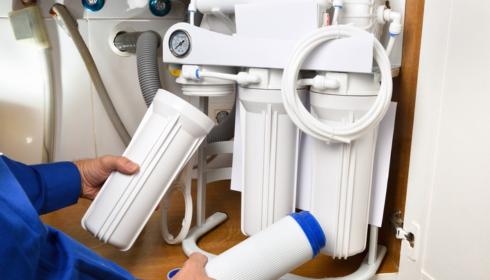
This is where well water treatment becomes more than just a fancy add-on. It’s your front line of defense. Whether you’re battling sediment, iron, or sulfur smells, a good treatment system keeps your water safe, clear, and honestly—more pleasant to live with.


Invisible Enemies: Bacteria & Viruses

One of the more unsettling truths about untreated well water? It might be harboring tiny invaders. And we’re not just talking about dirt or discoloration. We’re talking microbes—like coliform bacteria, E. coli, and even viruses.

It’s not about fear. It’s about facts. These microorganisms can cause stomach issues, skin irritation, or worse. And unless you’re doing regular testing, you might not even know they’re there.

Fortunately, systems designed for bacteria & viruses removal have come a long way. From UV disinfection to advanced filtration systems, there are solutions that work quietly in the background—keeping your water clean without adding chemicals or altering the taste. It’s like having an invisible shield built into your plumbing.


The Battle with Hard Water

Ever notice white crust on your faucets? Or feel like your shampoo isn’t rinsing out completely? That’s probably hard water in action—caused by excess calcium and magnesium in your supply. While not a health threat, hard water is a daily nuisance. It wears down your pipes, ruins appliances, fades clothes, and turns showers into a slippery soap ballet.

The good news? You can win this fight. Hard water reduction systems (a.k.a. water softeners) are game changers. They swap out those hardness minerals for sodium or potassium ions, leaving your water soft, your skin smooth, and your plumbing grateful. And the best part? You’ll notice the difference almost immediately—from shinier dishes to longer-lasting towels.


Not Just Filtration—A Whole System Mindset

Treating well water isn’t about slapping on a single filter and calling it good. It’s a system approach. You’re looking at layers of defense: sediment filtration, softening, disinfection, and maybe even reverse osmosis for drinking water.

Each home is different, which means each treatment plan should be too. That’s where water testing comes in—no guesswork, just data. Once you know what you’re dealing with, you can customize your setup. No more overspending on filters you don’t need or skipping steps you absolutely do.


Real Life, Real Problems, Real Fixes

Let’s break it down. Maybe your neighbor has soft water and crystal-clear dishes, but you’re still scrubbing buildup off your sink. Or maybe the water smells fine until you turn on the hot tap—then it’s like bathing in a swamp. These aren’t just “water problems.” They’re your water problems.

The beauty of modern systems is they’re adaptable. Have high iron but low sediment? There’s a filter for that. Need UV but don’t want a whole softening unit? You’ve got options. This isn’t a one-size-fits-all industry anymore—it’s about pinpoint solutions for your specific well.


Don’t Wait for Trouble

Most folks don’t think about treating their water until something goes wrong—a stomach bug, a rusty toilet, a broken water heater. But that’s reactive thinking, and when it comes to water, proactive always wins.

By investing in testing and a proper system early on, you avoid repairs, health risks, and daily annoyances. You also add value to your home—because let’s face it, untreated well water isn’t exactly a selling point.


A Peace of Mind Investment

Here’s the thing—this isn’t about going overboard. You don’t need the most expensive gadget or the latest tech trend. What you need is a system that works for your water and your budget. That might mean starting small and adding components as needed. Or it might mean an all-in-one unit that handles everything under one roof.

Whatever route you take, the result is the same: peace of mind. You drink, cook, clean, and bathe every single day. Isn’t it worth making sure your water’s up to the task?


Final Thoughts: You Deserve Better Than “It’s Probably Fine”

We’ve all done it—turned on the tap, saw a hint of cloudiness or smelled something off, and shrugged it off. “It’s probably fine,” we say.

But “probably fine” shouldn’t be the standard for something that touches every part of your life.

If you rely on well water, you’re already doing something independent and smart. Take the next step. Treat it right. With proper care, your well water can be as clean, reliable, and refreshing as any municipal supply—maybe even better.

Living with well water is kind of like having a secret stash of nature’s treasure—free-flowing, private, and often refreshingly cold. But let’s not sugarcoat it: well water also brings its own set of challenges. Just because it’s not piped in from the city doesn’t mean it’s naturally perfect. In fact, quite the opposite.

Whether your faucets spit out rust-colored water or your shower smells faintly of rotten eggs, it’s time to talk about the stuff we often ignore—what’s really in your well water, and how to handle it like a pro.


It All Starts at the Source

Wells don’t come with a quality guarantee. They pull straight from underground aquifers, and that water may carry minerals, contaminants, or microorganisms you can’t see—or even taste—until there’s a problem. And here’s the kicker: it changes over time. Seasonal shifts, nearby construction, and environmental factors can all influence the makeup of your well water.

This is where well water treatment becomes more than just a fancy add-on. It’s your front line of defense. Whether you’re battling sediment, iron, or sulfur smells, a good treatment system keeps your water safe, clear, and honestly—more pleasant to live with.


Invisible Enemies: Bacteria & Viruses

One of the more unsettling truths about untreated well water? It might be harboring tiny invaders. And we’re not just talking about dirt or discoloration. We’re talking microbes—like coliform bacteria, E. coli, and even viruses.

It’s not about fear. It’s about facts. These microorganisms can cause stomach issues, skin irritation, or worse. And unless you’re doing regular testing, you might not even know they’re there.

Fortunately, systems designed for bacteria & viruses removal have come a long way. From UV disinfection to advanced filtration systems, there are solutions that work quietly in the background—keeping your water clean without adding chemicals or altering the taste. It’s like having an invisible shield built into your plumbing.


The Battle with Hard Water

Ever notice white crust on your faucets? Or feel like your shampoo isn’t rinsing out completely? That’s probably hard water in action—caused by excess calcium and magnesium in your supply. While not a health threat, hard water is a daily nuisance. It wears down your pipes, ruins appliances, fades clothes, and turns showers into a slippery soap ballet.

The good news? You can win this fight. Hard water reduction systems (a.k.a. water softeners) are game changers. They swap out those hardness minerals for sodium or potassium ions, leaving your water soft, your skin smooth, and your plumbing grateful. And the best part? You’ll notice the difference almost immediately—from shinier dishes to longer-lasting towels.


Not Just Filtration—A Whole System Mindset

Treating well water isn’t about slapping on a single filter and calling it good. It’s a system approach. You’re looking at layers of defense: sediment filtration, softening, disinfection, and maybe even reverse osmosis for drinking water.

Each home is different, which means each treatment plan should be too. That’s where water testing comes in—no guesswork, just data. Once you know what you’re dealing with, you can customize your setup. No more overspending on filters you don’t need or skipping steps you absolutely do.


Real Life, Real Problems, Real Fixes

Let’s break it down. Maybe your neighbor has soft water and crystal-clear dishes, but you’re still scrubbing buildup off your sink. Or maybe the water smells fine until you turn on the hot tap—then it’s like bathing in a swamp. These aren’t just “water problems.” They’re your water problems.

The beauty of modern systems is they’re adaptable. Have high iron but low sediment? There’s a filter for that. Need UV but don’t want a whole softening unit? You’ve got options. This isn’t a one-size-fits-all industry anymore—it’s about pinpoint solutions for your specific well.


Don’t Wait for Trouble

Most folks don’t think about treating their water until something goes wrong—a stomach bug, a rusty toilet, a broken water heater. But that’s reactive thinking, and when it comes to water, proactive always wins.

By investing in testing and a proper system early on, you avoid repairs, health risks, and daily annoyances. You also add value to your home—because let’s face it, untreated well water isn’t exactly a selling point.


A Peace of Mind Investment

Here’s the thing—this isn’t about going overboard. You don’t need the most expensive gadget or the latest tech trend. What you need is a system that works for your water and your budget. That might mean starting small and adding components as needed. Or it might mean an all-in-one unit that handles everything under one roof.

Whatever route you take, the result is the same: peace of mind. You drink, cook, clean, and bathe every single day. Isn’t it worth making sure your water’s up to the task?


Final Thoughts: You Deserve Better Than “It’s Probably Fine”

We’ve all done it—turned on the tap, saw a hint of cloudiness or smelled something off, and shrugged it off. “It’s probably fine,” we say.

But “probably fine” shouldn’t be the standard for something that touches every part of your life.

If you rely on well water, you’re already doing something independent and smart. Take the next step. Treat it right. With proper care, your well water can be as clean, reliable, and refreshing as any municipal supply—maybe even better.

More from author

Related posts

Latest posts

From Pipes to Purity: How Tennessee Water Technology is Changing the Way We Think About Water

If you’ve ever taken a long drink from your faucet and wondered what journey that water took to get there, you’re not alone. In...

A Complete Guide to FASTag Monthly and Annual Passes: Save Time, Money & Hassle-Free Travel

In today’s fast-paced world, no one wants to spend hours in long toll lines. That’s where FASTag comes in as a game-changer. Designed to...

Overhead and Overlooked: What Fixing My Roof Taught Me About Trust, Timing, and the Value of a Local Crew

They say you never truly appreciate your roof until it starts failing you—and let me tell you, that couldn't be truer. It was one of...