There’s something incredibly comforting about pouring yourself a glass of water straight from your kitchen tap. It’s so casual, so routine—you barely think about it. But here’s the kicker: that innocent-looking stream might not be as pure as it seems. Municipal water goes through rigorous treatment, sure, but once it leaves the plant and travels through miles of pipes… well, things can get murky, literally and metaphorically.
And let’s be honest—we’ve all had that moment when our water tastes a bit off, or worse, smells like a swimming pool. It’s in those moments you realize how much you’re gambling every time you fill up your glass. That’s why more and more homeowners are looking into drinking water filtration systems that do more than just the bare minimum. These systems aren’t about paranoia. They’re about peace of mind.
The Case for Home Filtration
If you’ve ever read a water quality report from your city, you know there’s a cocktail of chemicals floating around—chlorine, fluoride, sometimes trace metals, and an occasional dash of mystery. While most of these are within “safe” limits, safe doesn’t always mean ideal, especially for kids, the elderly, or those with sensitive immune systems.
Home filtration is like giving your water a second pair of eyes—or rather, a very fine sieve. It adds that extra layer of scrutiny most of us didn’t know we needed. And the results? Better-tasting water, fewer contaminants, and in many cases, fewer single-use plastic bottles piling up in your recycling bin.
But here’s the catch—not all filters are created equal. Those jug filters might be a decent start, but if you’re serious about your water, you’ve probably come across the heavyweights—under-sink systems, whole-house setups, and RO (reverse osmosis) units. Each has its pros, quirks, and learning curves.
Getting Real About Reverse Osmosis
Speaking of RO systems… let’s unpack the big buzz. Reverse osmosis isn’t just a flashy term for marketers. It’s a real-deal process that uses pressure and a semi-permeable membrane to separate water molecules from the gunk—think fluoride, nitrates, arsenic, lead, and a whole bunch of other things you probably don’t want in your tea.
The first time I looked into reverse osmosis installation, I was kind of intimidated. It sounded like something only a lab technician should be dealing with. But here’s the surprising part: it’s actually pretty doable. Many systems come semi-assembled and only need a bit of under-sink real estate, a feed line from your cold water supply, and a drain hookup. No need to be a plumber or DIY wizard—though, yes, it helps if you’ve ever used a wrench without injury.
And once it’s in? That first sip of RO-filtered water is a game changer. It’s like your taste buds finally understand what “clean” means. Smooth, crisp, and none of that weird aftertaste you didn’t even realize was there before.
Say Hello to the Tankless Revolution
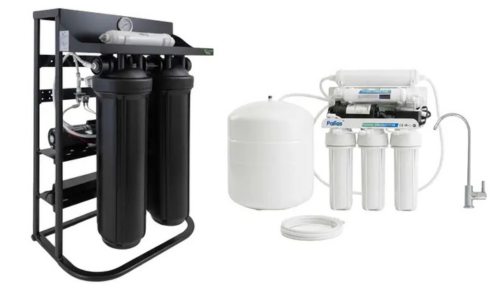
Now, for the folks who like their tech smart, sleek, and efficient—tankless RO systems are where it’s at. Traditional RO setups often include a pressurized tank that stores filtered water for use, which is fine… until you realize it’s taking up half your cabinet and can get kind of gross over time if not cleaned properly.
Enter tankless RO systems—the minimalist’s dream. These units filter on demand, meaning the water you drink hasn’t been sitting around waiting for someone to use it. That also means less risk of bacterial growth, fewer parts to clean, and (bonus!) more space under your sink for whatever else you store down there. Plus, they tend to look a lot more modern, if you’re into that aesthetic.
One thing to keep in mind, though: because they filter in real-time, flow rate can be slightly slower. It’s not a deal-breaker, but if you’re used to faucet-speed convenience, the slight delay might feel like forever when you’re parched.
It’s Not Just About Taste
Okay, sure—taste is a big part of it. But the benefits go deeper. Think about how much bottled water you consume in a year. Think of the plastic, the cost, the sheer inconvenience of dragging 24-packs from your car to your fridge. A good home filtration setup can nix all of that. You’re saving money, reducing waste, and lowering your carbon footprint without even trying that hard.
Plus, for people with skin sensitivities, cleaner water can even mean fewer irritations from washing hands or showering. And if you’re using filtered water in cooking, it subtly enhances flavors by removing the chemical distractions.
But What About Maintenance?
Great question. Maintenance can sound scary, but it’s mostly about staying on top of filter replacements. Most systems make it super obvious with indicators or timers, and you don’t need to replace them every week—more like every 6 to 12 months, depending on your usage and local water quality.
Honestly, it becomes just another thing on your household checklist, like changing air filters or checking smoke alarms. Except this one directly affects what goes into your body every day. Kind of makes it feel worth the effort, right?
A Few Final Sips
Look, we all want to believe our tap water is good enough. And maybe, for some, it is. But for the rest of us—those who’ve tasted the difference or read one too many reports about “trace contaminants”—it’s hard to unsee what’s in our water once you know.
The good news is, solutions are everywhere now. Whether you go for a classic filter jug, a whole-house system, or the modern elegance of a tankless RO setup, you’re taking control of something that really matters.
Water is life. And when life gets complicated, there’s something grounding about knowing at least your water’s clean.
So, if you haven’t thought about upgrading your setup, maybe now’s the time. Not just for taste, but for trust.