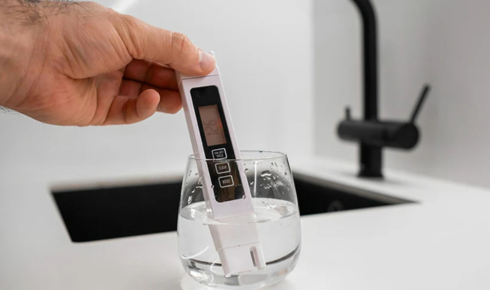
There’s something comforting about a glass of water that tastes just right. Not too mineral-heavy, no metallic twang, and definitely no chalky residue left in your mouth. But for millions of homes across the country, that’s not the reality. Hard water — the kind packed with calcium and magnesium — doesn’t just taste off. It clogs pipes, dulls laundry, stains sinks, and quietly eats away at appliances.
Enter the unsung hero of modern plumbing: water softeners. Not exactly glamorous, but undeniably essential once you experience the difference. And no, they’re not all created equal.
Hard Water, Real Problems
You know that annoying white crust on your showerhead? Or the cloudy film that won’t wash off your glasses no matter how much you scrub? That’s hard water at work. Over time, it doesn’t just annoy you — it costs you. Mineral build-up can shorten the life of your dishwasher, water heater, or even your plumbing system.
For folks who live in areas with very high mineral content, hard water isn’t just inconvenient; it’s a full-blown maintenance issue. That’s where water softening systems come in. They work by replacing those stubborn minerals with something more soluble — usually sodium or potassium — which prevents buildup and makes the water behave better in every aspect of your daily life.
It’s Not Just About the Pipes
One of the most underrated perks of soft water is how it feels. Ever taken a shower at a hotel or a friend’s place and noticed your skin felt smoother? Your shampoo lathered better? That wasn’t your imagination. Soft water helps soap and cleaning agents perform like they’re supposed to. No more wasting triple the shampoo or watching your detergent fail miserably in the laundry.
Your skin, hair, and clothes thank you — quietly, but sincerely.
Choosing the Right System Can Get Tricky
Of course, as with anything home-related, the moment you start shopping, you’re bombarded with brands, numbers, and techno-jargon. It’s easy to get overwhelmed. Some systems claim to soften and filter in one go. Others tout how “smart” they are, while some just want to brag about their gallons-per-minute efficiency.
But the real magic happens when you find a softener that’s reliable, easy to maintain, and doesn’t demand constant babysitting. That’s where Hague Water Softeners shine. Known for their durability and efficiency, these systems don’t just do the job — they do it with less fuss, fewer salt refills, and smarter monitoring. You’re not just buying a machine; you’re getting a low-maintenance partner that quietly does its thing while you get on with life.
Salt Isn’t the Villain, But It Should Be Managed
There’s a lot of back and forth in the water world about salt. Some worry about the environmental impact. Others don’t like the idea of adding anything to their water, period. But here’s the truth — sodium-based softening is tried, tested, and extremely effective. That said, there’s absolutely room for improvement in how it’s handled.
That’s why newer salt saving designs are a big deal. These innovations aim to use only the amount of salt necessary to regenerate the resin inside the softener — no more, no less. It means less waste, fewer trips to the store for heavy bags, and less salt in your drains. Some systems even adapt to your usage patterns, fine-tuning themselves like a smart thermostat. Efficiency meets convenience.
From Crusty Fixtures to Clear Peace of Mind
I remember when we first installed a water softener in our place. The difference wasn’t instant, but it was steady — dishes came out cleaner, the shower glass stopped looking like a failed chemistry experiment, and oddly enough, our white clothes stayed white. It’s one of those upgrades that doesn’t scream for attention but slowly wins your heart over by making everyday life better.
If you’re in the fence-sitting stage of your water softening journey, think about your future self. Less cleaning. Lower maintenance bills. Fewer appliance breakdowns. Better water quality without a huge ongoing cost.
Soft Water Isn’t Just for the Rich and Fancy
Let’s be honest — softeners used to be a bit of a luxury. But that’s changing fast. More manufacturers are offering compact, affordable, user-friendly models. There are even rental options in some cities. And considering what you might spend on plumbing repairs, appliance replacements, and cleaning products every year, a softener pays for itself faster than you’d think.
Besides, it’s hard to put a price on how it feels to rinse your hair and actually feel clean — no sticky residue, no soap scum trail. Just soft, balanced water doing what water should do: clean, hydrate, rinse, repeat.
Final Thoughts: It’s About the Small Wins
You don’t need a total home renovation to make your home feel better. Sometimes, it’s the quiet upgrades that pack the biggest punch. A good water softener doesn’t just solve a problem — it enhances the way you experience your home. From your morning shower to your evening tea, the difference is subtle, but powerful.