There’s something deeply personal about water in your home. It’s not just a utility. It’s what you cook with, bathe in, pour into your child’s cup before school. It touches everything, quietly and constantly. And yet, most of us don’t really think about it—until something feels off.
Maybe it’s the faint cloudiness in a glass. Maybe it’s the gritty residue at the bottom of a bathtub. Or maybe it’s that subtle smell when you turn on the shower that makes you hesitate for half a second. Water problems rarely arrive dramatically. They creep in. And once you notice them, it’s hard to un-notice.
That’s where modern filtration comes into the picture—not as a luxury, but as a practical, long-term decision.
The Bigger Picture: Treating All the Water, Not Just One Tap
Many homeowners start small. A pitcher filter in the fridge. A carbon cartridge attached to the kitchen faucet. And while those solutions can help, they only treat a fraction of the water entering your home.
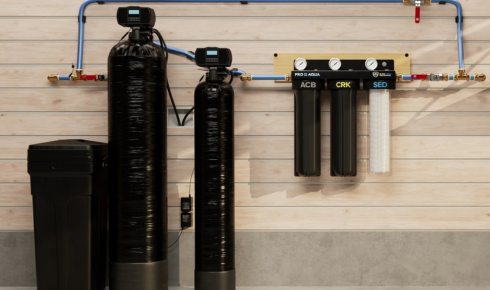
A whole-home filtration system works differently. Instead of targeting one sink, it filters water at the point where it enters your house. Every tap. Every shower. Every load of laundry.
That shift—from isolated treatment to comprehensive coverage—changes how your home functions. Suddenly, you’re not just improving drinking water. You’re protecting plumbing. You’re reducing buildup in appliances. You’re improving the feel of water on your skin.
And perhaps most importantly, you’re building consistency. Clean water everywhere, not just at the kitchen sink.
The Often-Overlooked Problem of Sediment
If your home relies on well water, or even an aging municipal supply, sediment can be a persistent issue. Tiny particles of sand, silt, or rust travel invisibly through pipes until they show up in subtle ways—scratches in fixtures, cloudy water, reduced pressure over time.
This is where proper sediment removal becomes essential.
A high-quality sediment filter acts as the first line of defense, capturing particulate matter before it can travel deeper into your plumbing system. It protects water heaters, washing machines, and dishwashers from internal wear. It prevents aerators from clogging. It keeps showerheads flowing freely.
It’s not glamorous, but it’s foundational.
Think of it like changing the air filter in your HVAC system. You don’t see the dust it traps, but you’d notice if it stopped working.
Addressing the Smell No One Wants to Talk About
Water has a scent. Sometimes it’s barely noticeable. Other times, it’s not subtle at all.
Chlorine, commonly used in municipal treatment, can leave behind a pool-like odor. Well water, depending on local conditions, may carry sulfur compounds that produce that unmistakable “rotten egg” smell. Organic matter can introduce musty notes.
This is where effective odor control makes a difference.
Carbon filtration media are often used to absorb chlorine and organic compounds, significantly reducing unwanted smells. In some cases, specialized oxidizing filters are required to neutralize sulfur-related odors.
The result? Showers that smell neutral. Glasses of water that don’t require lemon slices to feel palatable. Laundry that smells like detergent—not chemicals.
It’s amazing how much more inviting water feels when it simply smells like… nothing.
Beyond Taste: Protecting Your Home
One of the quiet benefits of comprehensive filtration is infrastructure protection.
Mineral buildup and sediment accumulation don’t just affect taste—they shorten appliance lifespans. Scale on heating elements forces water heaters to work harder. Tiny particles circulating through plumbing systems contribute to wear.
Over time, untreated water can cost more in maintenance than a well-designed filtration system would.
And while no one installs a filter purely for financial reasons, the long-term savings are real. Fewer repairs. Longer appliance life. Reduced need for harsh cleaning chemicals.
Those incremental improvements add up.
Testing Before Investing
Before choosing any filtration setup, water testing should come first. Every region has unique water characteristics. Hardness levels vary widely. Chlorine concentrations fluctuate seasonally. Some areas struggle with iron or manganese. Others face higher sediment loads after heavy rainfall.
A professional water analysis provides clarity. It removes guesswork and ensures the system installed actually addresses your specific concerns.
There’s something reassuring about seeing the numbers. Understanding what’s present—and what isn’t—turns vague worries into informed decisions.
The Everyday Experience of Better Water
Once a whole-home system is in place, the change isn’t dramatic. You won’t wake up feeling like you’ve entered a different universe.
Instead, it’s subtle.
Showers feel smoother. Soap rinses cleanly. Dishes dry without spots. Your kettle doesn’t collect mineral crust as quickly. You stop noticing odd smells.
And maybe that’s the point. Good water doesn’t demand attention. It blends into daily life, quietly supporting it.
Guests might comment that your water tastes “really fresh.” You might find yourself drinking more without thinking about it. Those small habits ripple outward in ways you don’t always measure.
A Long-Term Perspective
In an era of quick upgrades and cosmetic improvements, investing in water infrastructure feels almost old-fashioned. It’s practical. Functional. Invisible.
But it’s also deeply personal.
Water is one of the few things in your home that you interact with constantly. It deserves attention—not panic, not over-engineering, but thoughtful consideration.
A properly designed filtration system isn’t about perfection. It’s about reliability. It’s about knowing that when you turn on the tap, what comes out is clean, balanced, and consistent.
And sometimes, the most meaningful home improvements aren’t the ones you show off. They’re the ones that quietly make everyday life just a little better.