From the journal · October 28, 2026
Getting Your Home’s Water Right Starts With Good Advice
Choosing a water treatment system sounds simple enough at first. You notice white marks around the taps, the shower glass never seems to stay clean, or the drinking water has a taste you can’t quite get used to. A quick online search brings up dozens of filters, softeners, and purification systems, each promising to make life easier. Before long, you’re comparing specifications and prices without being entirely sure what your home actually needs.
It’s a familiar situation. Water quality can be surprisingly complicated, but choosing the right solution doesn’t have to be. The best starting point is understanding the problem, asking sensible questions, and getting advice that relates to your household rather than a generic product recommendation.
Related reading: The Small Plumbing Habits That Can Save You From Bigger Repairs · Keeping Your Water Treatment System Reliable With the Right Care and Service
Understand the Problem Before Choosing Equipment
Water quality varies from one property to another. Some homes receive water with high levels of calcium and magnesium, which cause hardness. Others experience sediment, iron staining, unpleasant tastes, or concerns about particular contaminants. These issues can look similar at first, yet they may require completely different treatment methods.
For example, a water softener can help reduce hardness minerals, but it won’t automatically remove bacteria or every dissolved contaminant. Activated carbon can reduce certain tastes and odors, while reverse osmosis systems can reduce a range of dissolved substances when the equipment is properly selected and maintained. No single system does everything.
Start by observing what’s happening around your home. Are white deposits appearing on showerheads? Does the water smell unusual? Is the problem limited to one faucet, or does it affect several rooms? These clues help you describe the issue, although they can’t provide a complete diagnosis.
Water testing is often the next sensible step. Depending on the source and the concern, testing may examine hardness, pH, iron, dissolved solids, or specific contaminants. If health-related concerns are involved, choose appropriate testing, potentially through a certified laboratory. Clear water isn’t necessarily free of every unwanted substance.
Why Professional Installation Matters
Once you’ve identified the problem, the next challenge is choosing equipment that will work properly in your home. Capacity, flow rate, plumbing layout, available space, and ongoing maintenance all affect the decision. A system that suits a small apartment may not be adequate for a busy household with several bathrooms and frequent laundry loads.
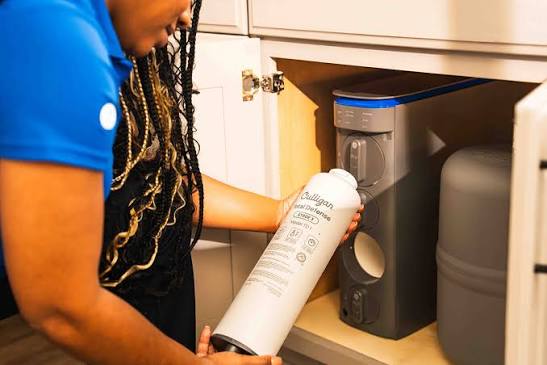
A professional installer can help assess these practical details before equipment is purchased. Depending on the system, installation may involve plumbing modifications, drainage connections, electrical access, or adjustments to the existing water supply. Getting these details right helps reduce the likelihood of leaks, poor flow, and avoidable servicing problems.
Good installation is about more than connecting pipes. The equipment needs to be sized correctly, positioned where it can be maintained, and set up according to the manufacturer’s instructions. Some systems also require flushing or other preparation before the treated water is ready for normal use.
Ask the installer to explain what will happen during the visit. Will the existing plumbing need changes? How long should the work take? Is the final inspection included? These questions may seem minor, but clear answers can make the entire process less stressful.
Compare Solutions Without Feeling Rushed
Water treatment equipment is a long-term household purchase, so it pays to look beyond the advertised price. The initial cost matters, of course, but so do replacement filters, salt for a conventional softener, electricity where required, and periodic professional servicing.
When comparing options, ask which substances the equipment is designed to reduce and what evidence supports those claims. Independent certifications and manufacturer performance documentation can help you understand whether a product is appropriate for your particular water conditions.
It’s also worth considering how much water your household uses each day. A drinking-water filter beneath the kitchen sink may be sufficient when the main concern is taste. A whole-house system may be more appropriate when treatment is needed at several fixtures. If hardness is the main problem, a softener could be more relevant than a general-purpose filter.
Don’t feel obliged to buy every extra feature offered. Sometimes a simpler system is all that’s required. A trustworthy provider should explain the differences clearly and help you understand the trade-offs without making the decision feel urgent.
If something about a recommendation seems unclear, ask a question today rather than assuming you’ll figure it out after installation. Understanding the system beforehand can prevent disappointment and help you budget for its long-term care.
Think About Maintenance From the Beginning
Every water treatment system needs some level of maintenance. Filters gradually reach the end of their useful life, softeners need routine checks, and reverse osmosis membranes require replacement according to the manufacturer’s schedule. Ignoring these tasks can reduce performance and sometimes create additional problems.
Before committing to a system, find out how often it needs servicing and which tasks you can safely handle yourself. Ask whether replacement parts are readily available and what they typically cost. These details are particularly important if the system uses specialised cartridges or components that aren’t stocked locally.
Keeping a basic maintenance record can make life easier. Write down the installation date, note when filters are changed, and save any water test results. If the taste changes, pressure drops, or scale begins returning, those records can help a technician understand what’s happening.
Maintenance also provides an opportunity to review whether the system still suits your household. Water conditions can change, and a system that worked well several years ago may need adjustment or additional testing if new concerns arise.
What Good Customer Guidance Should Look Like
A useful consultation should leave you better informed, not more confused. You should understand the problem being addressed, why a particular technology has been suggested, and what the equipment can realistically accomplish.
If you’re unsure about the differences between filtration, softening, and reverse osmosis, take time to discuss them. You can chat with a specialist now to clarify your options, review available test results, and learn what information may be needed before choosing a system. A conversation is most useful when it focuses on your home’s actual conditions rather than pushing a predetermined solution.
It’s reasonable to ask for a written estimate, details about warranties, and a clear explanation of installation and maintenance costs. If the answers are vague or the recommendation relies on alarming claims without supporting evidence, consider seeking another opinion.
Make a Choice That Feels Right for Your Home
Better water begins with good information. Notice the recurring problems, test where appropriate, and compare equipment based on its documented performance and practical requirements. A carefully chosen system can make cleaning easier, improve drinking-water taste, or reduce hardness-related scale, depending on the issue it is designed to address.
There’s no need to rush into the most expensive option or become an expert in every filtration technology. Ask questions, understand the costs, and make sure the proposed solution fits your household’s needs.
When the equipment is selected thoughtfully, installed correctly, and maintained regularly, water treatment becomes a manageable part of looking after your home. That’s the real goal: fewer recurring frustrations, clearer expectations, and a system you can feel comfortable relying on.