From the journal · May 29, 2026
Obedience Skills for Family Pets Phoenix: Building Calm, Reliable Dogs
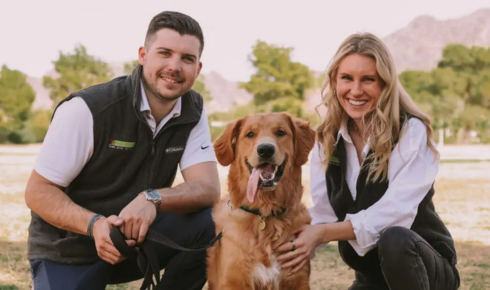
In a busy household, teaching obedience skills for family pets Phoenix is one of the most valuable investments in long-term harmony between dogs and their owners. Whether you’re raising a new puppy or working with an older rescue, structured obedience training helps shape behavior that fits safely and comfortably into family life. At Rob’s Dog Training, we focus on practical, real-world training methods that help dogs learn calm responses, reliable obedience, and better communication with their humans.
In Phoenix environments where distractions like heat, outdoor activity, and urban noise are common, dogs need more than basic commands. They need consistent guidance that translates into everyday obedience skills such as focus, recall, leash manners, and impulse control. This guide breaks down how families can build those skills effectively while strengthening trust and communication with their dogs.
Why Obedience Skills for Family Pets in Phoenix Matter More Than Ever
Modern family dogs are expected to navigate a complex world. They’re not just pets, they’re companions that need to behave appropriately in homes, neighborhoods, parks, and social settings.
Strong obedience skills for family pets Phoenix households depend on help prevent common challenges such as:
- Jumping on guests
- Pulling on the leash during walks
- Ignoring recall commands outdoors
- Excessive barking or reactivity
- Food guarding or impulsive behavior
In Phoenix specifically, environmental stimulation plays a big role. Hot pavement, busy sidewalks, and high-energy surroundings can make it harder for dogs to stay focused. That’s why structured obedience training is essential; it gives dogs clear expectations even when distractions are high.
Core Foundations of Obedience Training for Family Dogs
Before advanced commands, every dog must build a strong foundation. Without it, obedience becomes inconsistent and unreliable.
1. Focus and Engagement
A dog that cannot focus cannot learn effectively. Training begins by teaching the dog to voluntarily check in with the owner.
Key focus exercises include:
- Name recognition response
- Eye contact on cue
- Reward-based attention drills
2. Basic Command Structure
The most important obedience commands include:
- Sit
- Down
- Stay
- Come (recall)
- Leave it
These commands form the backbone of reliable behavior in family settings.
3. Consistency in Communication
Dogs learn through repetition and clarity. Mixed signals from owners often cause confusion and slow progress. Consistency ensures the dog understands expectations in every environment.
Building Real-World Obedience Skills for Family Pets Phoenix Homes Need
Training in a quiet room is one thing. Training in real-life situations is where obedience truly matters.
Leash Manners in Busy Environments
Leash pulling is one of the most common issues families face. Proper leash training teaches dogs to walk calmly beside their handler without tension.
Effective techniques include:
- Rewarding loose leash walking
- Stopping movement when pulling occurs
- Changing direction to regain attention
Recall That Works Outside the Home
A reliable recall command can prevent dangerous situations. Dogs must learn that coming when called is always rewarding, even with distractions present.
Training steps:
- Start indoors with low distractions
- Gradually move to outdoor environments
- Increase the distance slowly
- Reward every successful response
Impulse Control for Daily Situations
Impulse control helps prevent unwanted behaviors like jumping or grabbing food.
Common exercises:
- “Wait” before meals
- “Leave it” during distractions
- Doorway patience training
The Role of Positive Reinforcement in Obedience Training
Modern training approaches rely heavily on positive reinforcement. Instead of punishment-based methods, dogs are rewarded for correct behavior.
Benefits include:
- Faster learning retention
- Reduced fear and anxiety
- Stronger bond between dog and owner
- More consistent obedience outcomes
Reward-based training uses:
- Treats
- Praise
- Toys
- Life rewards (walks, playtime, attention)
At Rob’s Dog Training, positive reinforcement is a core principle because it builds long-term behavioral stability rather than short-term compliance.
Common Challenges in Obedience Training and How to Solve Them
Even with the right approach, families often encounter obstacles.
Inconsistent Training Sessions
Dogs thrive on routine. Skipping training days or changing rules slows progress significantly.
Solution:
Short daily sessions (5–15 minutes) are more effective than occasional long ones.
Overstimulation in Outdoor Settings
Phoenix environments can overwhelm dogs with noise and activity.
Solution:
- Start training in quiet areas
- Slowly increase distraction levels
- Reward calm behavior consistently
Owner Communication Errors
Many training problems come from unclear cues or inconsistent commands.
Solution:
- Use the same word for each command
- Avoid repeating commands excessively
- Reward only correct responses
How Professional Guidance Improves Obedience Skills for Family Pets Phoenix Residents Trust
While many families start training on their own, professional guidance often accelerates results significantly.
Professional trainers help by:
- Identifying behavior triggers
- Customizing training plans for each dog
- Correcting timing and reinforcement errors
- Providing structured progression systems
Working with experienced trainers ensures that obedience skills are not only learned but also maintained in real-life situations.
Puppy vs. Adult Dog Obedience Training
Training approaches vary depending on age and background.
Puppies
Puppies learn quickly but require patience and repetition. Early training focuses on:
- Socialization
- Bite inhibition
- Basic commands
- House manners
Adult Dogs
Adult dogs may already have habits formed, which means behavior modification may be required.
Focus areas include:
- Breaking unwanted habits
- Rebuilding focus
- Reinforcing consistent obedience
Regardless of age, every dog can improve with the right structure and reinforcement.
Integrating Obedience into Daily Family Life
The most successful training happens outside formal sessions.
Simple ways to reinforce obedience daily:
- Ask for “sit” before feeding
- Practice recall during playtime
- Reward calm behavior during guests
- Reinforce leash manners on every walk
These small moments create lasting behavioral habits.
Long-Term Benefits of Obedience Skills for Family Pets Phoenix Families Rely On
When obedience training is consistent, families experience:
- Safer public interactions
- Reduced household stress
- Improved dog confidence
- Stronger human-dog bonding
- Better control in emergencies
These benefits extend beyond convenience; they contribute to a more stable and enjoyable life for both dogs and their owners.
Final Thoughts
Developing obedience skills for family pets Phoenix households can trust is not about perfection—it’s about consistency, communication, and structure. With the right approach, dogs learn to navigate daily life calmly and confidently, making them reliable companions in any environment.
For families seeking professional support, Rob’s Dog Training provides structured, experience-based training designed to improve real-world obedience and long-term behavior stability.
To learn more about training programs and approach, visit: https://robsdogs.com/