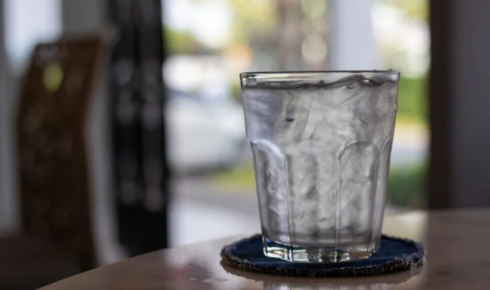
There’s something oddly unsettling about turning on your faucet, expecting a crystal-clear stream, only to be greeted with water that looks like it came from a foggy lake. Maybe it’s milky, maybe it’s brownish, maybe it smells off. And suddenly, that simple act of filling a glass becomes a hesitant decision.
Water is one of those things we take for granted—until we can’t. Whether it’s taste, appearance, or safety, small changes in your water can quickly become big concerns. If you’ve been dealing with strange-looking or funny-smelling water lately, you’re not alone. Let’s dive deep into what’s happening and what you can do about it.
That Murky Mystery: What Causes Cloudy Tap Water?
One of the most common complaints homeowners make is about cloudy water—the kind that looks like it has tiny bubbles trapped inside. And here’s the twist: sometimes it clears up after a few seconds, sometimes it doesn’t.
So, what’s the deal?
In many cases, cloudy water is simply air trapped in the plumbing system. This can happen after maintenance work on water lines or if your water pressure changes. It looks odd but is generally harmless.
However, persistent cloudiness could signal sediment, minerals, or even microbial growth. If the foggy look sticks around or is accompanied by a strange smell or taste, it’s worth investigating further. Don’t let visual reassurance alone be your safety net.
Common Culprits Behind Water Weirdness
If the water in your home is giving off metallic, earthy, or even chlorine-like smells, your plumbing might be whispering secrets.
Old pipes can leach iron or copper, especially in older homes where galvanized plumbing still lingers. Meanwhile, local treatment plants sometimes add chemicals to purify supply—which can affect smell or flavor.
Then there’s the infamous sulfur smell—like rotten eggs. That often comes from hydrogen sulfide gas, either from the ground (if you’re on well water) or produced by bacteria in the water heater. It’s not usually dangerous, but it’s far from pleasant.
These kinds of water problems often build up quietly over time, becoming your home’s “new normal” until guests notice—or your appliances start acting up. Yep, that crusty buildup on your kettle? It’s a sign.
What’s Lurking in Your Water?
Not all water woes are visible. Some are hiding in plain sight.
From lead contamination (usually from aging infrastructure) to excessive hardness (from calcium and magnesium minerals), what’s in your water can affect your skin, your clothes, your dishes, and even your long-term health.
It’s not always as simple as boiling your water or buying bottled jugs. Contaminants like nitrates, arsenic, or volatile organic compounds (VOCs) require specific filtration methods or treatment systems. And honestly? Most folks have no idea what’s actually in their tap.
So if you’ve never tested your water—or if it’s been a few years—it’s probably time. Your city might post a water quality report each year, but nothing beats an in-home test kit or professional assessment tailored to your pipes and plumbing.
Water Filters: Not Just a Fancy Fridge Add-On
You’ve probably seen those sleek pitchers with carbon filters or those under-sink systems promising the world. But not all filters are created equal.
For example, a simple activated carbon filter is great for improving taste and reducing chlorine, but it won’t touch things like lead or heavy metals. Reverse osmosis systems can filter out a broad range of contaminants, but they waste some water in the process and strip out beneficial minerals.
Choosing the right system depends entirely on your specific water quality issues—not just what’s trending on TikTok or recommended in a home magazine. That’s why testing is the first step. Think of it like diagnosing a car problem before replacing the engine.
DIY Fixes vs. Professional Help
If you’re noticing temporary issues—like cloudiness after plumbing work or a chlorine smell after local water treatment—you can often wait it out or flush your system.
But when problems persist, or you’re dealing with odd smells, discoloration, or staining, don’t wait. Professionals can perform lab-grade water testing, inspect pipes, and recommend targeted solutions. And in the case of bacterial contamination, they can help sanitize the system safely and thoroughly.
Also, don’t forget to check your water heater. It’s often the hidden culprit behind smelly or discolored hot water. A simple flush, or replacing an anode rod, can make a world of difference.
Why You Shouldn’t Ignore the Signs
It’s easy to dismiss water quirks as minor annoyances—until they start damaging appliances, staining clothes, or affecting your family’s health. Kids, elderly family members, and anyone with a compromised immune system are particularly vulnerable to bacteria or chemical exposure through contaminated water.
And let’s not forget your budget. Hard water, for instance, reduces soap efficiency, clogs pipes, shortens appliance lifespans, and hikes up your energy bills.
So yeah, those subtle warning signs? They’re worth listening to.
Final Thoughts: A Clear Path Forward
Water is foundational to life—literally. From the first cup of coffee in the morning to brushing your teeth at night, it’s something you interact with constantly. And while we may not have control over every aspect of our municipal systems, we can take control of our household water environment.
Start small. Get your water tested. Educate yourself about treatment options. If something smells off, looks weird, or tastes funky—trust your instincts. They’re usually spot on.
And if nothing else, remember this: good water shouldn’t be a luxury. It should be the standard. And you deserve better than murky guesses every time you turn on the tap.