In a home, water problems are annoying. In a business, they’re expensive.
That’s the difference.
A little scale buildup in your own shower might mean scrubbing tiles more often. But in a restaurant, hotel, medical facility, or manufacturing plant? Water quality touches operations, customer experience, equipment lifespan—sometimes even compliance.
And yet, water systems are often tucked away in utility rooms, out of sight and out of mind. Until something breaks. Or a customer complains. Or a repair bill lands on someone’s desk.
That’s usually when the conversation starts.
The Hidden Cost of Hard Water in Commercial Settings
Hard water doesn’t care whether it’s flowing through a suburban home or a 200-room hotel. Minerals like calcium and magnesium accumulate wherever water runs. The only difference in commercial environments is scale—literally and financially.
Commercial kitchens see heavy water use every single day. Dishwashers, steamers, coffee machines, ice makers—they all rely on consistent flow and mineral balance. Scale buildup reduces efficiency and increases energy use. Heating elements work harder. Equipment fails sooner.
That’s why commercial water softeners are often considered foundational equipment rather than optional upgrades.
By removing hardness minerals before water reaches appliances, softeners protect infrastructure. They reduce maintenance calls. They extend equipment lifespan. They help businesses avoid that dreaded scenario where a critical machine fails during peak hours.
And in business, downtime isn’t just inconvenient—it’s revenue lost.
Clarity, Compliance, and Customer Perception
In hospitality and food service, water quality affects more than equipment. It shapes perception.
Cloudy ice cubes in a cocktail. Off-tasting coffee. Residue on glassware. Customers may not know why something feels “off,” but they notice.
That’s where commercial water filtration plays a critical role.
Filtration systems designed for commercial environments target sediment, chlorine, and other contaminants that impact taste and clarity. Unlike small residential units, commercial systems are engineered for high flow rates and continuous demand.
They support consistency. And consistency builds trust.
Beyond aesthetics and flavor, filtration also supports compliance in industries where water standards are strictly regulated—healthcare facilities, laboratories, food production plants. In these settings, water isn’t just about comfort. It’s about safety and accountability.
The Precision of Reverse Osmosis in Business
Some industries require an even higher level of purity. Breweries, pharmaceutical companies, car washes, and certain manufacturing operations rely on tightly controlled water composition.
That’s where reverse osmosis systems often enter the picture.
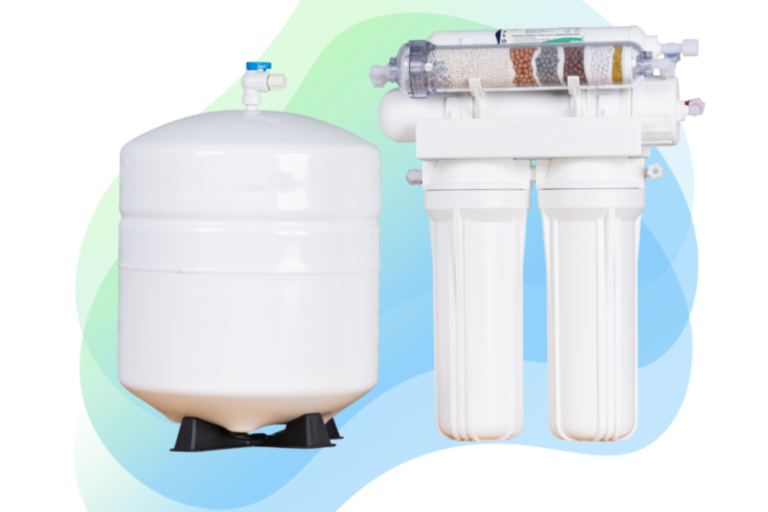
By pushing water through a semi-permeable membrane, reverse osmosis removes a broad range of dissolved solids. The result is highly purified water suitable for processes that demand precision.
In brewing, mineral balance influences flavor. In laboratories, contaminants can interfere with results. In manufacturing, impurities may affect product quality.
RO systems aren’t necessary for every business. But when they are, they’re essential.
Designing Systems That Fit the Operation
One common mistake in commercial water management is assuming bigger is better.
In reality, the most effective systems are the ones designed specifically for the operation’s needs. A busy restaurant requires different flow rates and capacities than a small office building. A hospital has different demands than a hotel laundry facility.
That’s why proper assessment matters.
Water testing provides clarity on hardness levels, total dissolved solids, chlorine content, and more. Flow rate calculations ensure systems keep up with peak demand. Storage capacity planning prevents bottlenecks.
It’s engineering, yes. But it’s practical engineering.
Maintenance: The Overlooked Priority
Installing a commercial water system isn’t the finish line. Maintenance is what preserves performance.
Filters need replacing. Resin beds need regeneration. Membranes require monitoring. Ignoring upkeep leads to gradual decline—reduced efficiency, inconsistent output, rising operational costs.
The businesses that benefit most from water treatment are the ones that treat maintenance as non-negotiable.
Scheduled inspections and proactive service plans prevent emergency repairs. They stabilize budgets. They reduce surprise downtime.
In commercial settings, predictability is priceless.
The Financial Perspective
Water systems aren’t free. But neither are repeated equipment repairs, rising utility bills, or dissatisfied customers.
When hard water scale forces a boiler to work harder, energy costs climb. When filtration is inadequate, flavor complaints increase. When purity standards aren’t met, regulatory issues can arise.
Viewed through that lens, investing in proper water treatment becomes less of an expense and more of a risk management strategy.
Protect the infrastructure. Protect the brand. Protect the bottom line.
Thinking Beyond the Utility Room
Water influences more than back-of-house operations.
In hotels, guest showers reflect water softness and pressure consistency. In restaurants, ice clarity and beverage taste matter. In office buildings, break room water quality affects employee satisfaction.
These small details shape perception.
And perception shapes reputation.
Final Thoughts
In commercial environments, water isn’t just a utility. It’s a silent partner in daily operations.
By implementing commercial water softeners, integrating commercial water filtration where appropriate, and considering reverse osmosis for high-purity applications, businesses create a stable foundation for efficiency and quality.
It’s not glamorous. It won’t headline marketing campaigns.
But when systems run smoothly—when equipment lasts longer, when beverages taste right, when compliance standards are met without drama—water becomes what it should be:
Invisible.
And in business, invisibility—when it means reliability—is a powerful advantage.