Most of us don’t pay much attention to our water. It’s just there — filling the kettle, running through the shower, swirling down the sink. It’s routine. Predictable. Quiet.
Until it isn’t.
Maybe you’ve noticed white buildup around your faucet. Or a faint swimming pool scent rising from your glass. Or worse, an odor that makes you hesitate before brushing your teeth. Water doesn’t often shout, but it does whisper. And if you listen carefully, those whispers can tell you exactly what’s going on inside your pipes.
The trick is knowing what you’re hearing.
The Subtle Frustrations of Mineral-Heavy Water
Let’s start with one of the most common complaints: hard water.
If you live in an area rich in calcium and magnesium, you’re probably familiar with the signs. Cloudy glassware. Stiff laundry. Soap that refuses to lather properly. A shower door that looks perpetually dusty, no matter how often you clean it.
Hard water isn’t typically dangerous to drink. In fact, those minerals are naturally occurring. But they’re tough on your home. Over time, scale builds up inside pipes and appliances. Water heaters lose efficiency. Dishwashers struggle to rinse thoroughly. Faucets develop that chalky crust you can never quite scrub away.
It’s not dramatic — it’s gradual. You adjust. You use more detergent. You scrub a little harder. But eventually, the inconvenience adds up.
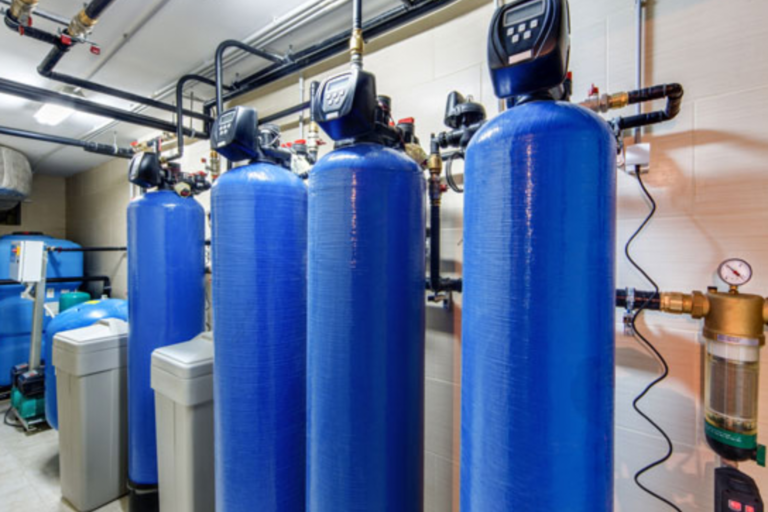
A water softener often solves this issue by removing excess minerals through ion exchange. It’s one of those upgrades that doesn’t scream for attention, but once installed, you notice the difference in small, daily ways.
That Faint Swimming Pool Flavor
Then there’s the unmistakable hint of chlorine taste.
Municipal water systems use chlorine to disinfect and kill harmful bacteria. It’s an essential part of public health. But sometimes, that disinfectant lingers long enough to affect flavor and odor.
If your tap water reminds you of a public pool, you’re not imagining it. Chlorine levels can fluctuate depending on seasonal conditions or maintenance schedules. While the water remains safe under regulatory standards, the taste isn’t always pleasant.
Activated carbon filters are commonly used to reduce chlorine and improve flavor. Many homeowners are surprised at how much better their coffee or tea tastes once chlorine levels are reduced. It’s not that the water was unsafe — it just wasn’t enjoyable.
And enjoyment matters. If water tastes better, you’re more likely to drink it.
When Odor Becomes Hard to Ignore
Now let’s talk about something more unsettling: smelly water.
If you’ve ever turned on the tap and caught a whiff of rotten eggs, sulfur may be present. That smell usually comes from hydrogen sulfide gas in groundwater. It’s common in private wells, though it can occasionally affect municipal supplies too.
Other odors can signal iron bacteria or organic matter in the water. While not always harmful, they’re unpleasant. And let’s be honest — no one wants to shower or cook with water that smells questionable.
The solution depends on the cause. Sulfur odors often require oxidation filters or aeration systems. Iron bacteria may call for specialized treatment and regular maintenance. The key is accurate testing before investing in equipment.
Odor issues tend to grab attention quickly. They’re harder to ignore than mineral spots or taste changes. But they’re often solvable with the right approach.
Why Testing Is Worth It
One of the biggest mistakes homeowners make is assuming they know the problem without testing. Hardness, chlorine, sulfur — these issues require different solutions. Installing the wrong system wastes money and leaves the underlying problem unresolved.
A simple water analysis can provide clarity. It identifies mineral levels, disinfectant concentrations, pH balance, and potential contaminants. From there, decisions become logical rather than reactive.
Think of it as diagnosing before prescribing.
The Emotional Side of Water Quality
There’s a psychological component to water concerns that’s easy to overlook. Water flows through everything — cooking, bathing, cleaning, hydration. When it smells odd or tastes off, it introduces doubt.
That doubt can linger. You might buy bottled water more frequently. You might scrub surfaces obsessively. You might avoid drinking straight from the tap.
Improving water quality restores confidence. It removes hesitation from simple routines. It makes daily life feel smoother.
And sometimes, that peace of mind is as valuable as the physical improvements.
Small Adjustments, Big Difference
Water issues rarely require dramatic solutions. Often, targeted systems solve specific problems efficiently. A softener for mineral buildup. A carbon filter for chlorine. An oxidation filter for sulfur.
Maintenance matters, too. Filters need replacement. Systems require occasional inspection. Neglect can quietly reduce effectiveness.
But when properly maintained, water treatment systems operate quietly in the background — just like water should.
Listening to the Signs
Water doesn’t demand attention. It hints.
Cloudy dishes suggest minerals. A swimming pool scent suggests chlorine. A rotten egg odor suggests sulfur. These aren’t mysteries — they’re signals.
Addressing them isn’t about chasing perfection. It’s about comfort, efficiency, and confidence in your home.
Because when water works the way it’s meant to — clean, neutral, unobtrusive — you stop thinking about it entirely.
And honestly, that’s the goal.