There’s a certain comfort in turning on the tap and not thinking twice about what comes out. Most of us grew up assuming that if water is clear and doesn’t smell strange, it’s fine. End of story.
But over the past few years, that quiet confidence has shifted. News about aging infrastructure, local water advisories, and emerging contaminants has nudged many homeowners into asking a simple question: is my water as good as it could be?
Not “Is it safe enough?”
But “Is it truly clean?”
That subtle difference is where the conversation around modern drinking water systems really begins.
The Difference Between Safe and Optimal
Municipal water in many areas meets regulatory standards. That’s important, and it shouldn’t be dismissed. But regulatory limits don’t always mean zero contaminants. They define acceptable thresholds.
Some people are comfortable with that. Others want an extra layer of assurance, especially if they have young children, health sensitivities, or private well water.
That’s why home filtration has become less of a luxury and more of a practical consideration. It’s not about fear. It’s about control.
What’s Actually in Tap Water?
Depending on where you live, tap water can contain chlorine, sediment, dissolved minerals, and trace amounts of metals or agricultural runoff. In coastal areas, salt levels may be slightly elevated. In rural regions, nitrates can appear in well water.
None of these automatically signal danger. But they can affect taste, odor, and long-term confidence.
And taste matters more than we realize. When water tastes slightly metallic or heavily chlorinated, people drink less of it. They reach for soda, bottled water, or anything else that feels more pleasant.
That’s where improved filtration makes a noticeable difference.
Understanding Reverse Osmosis
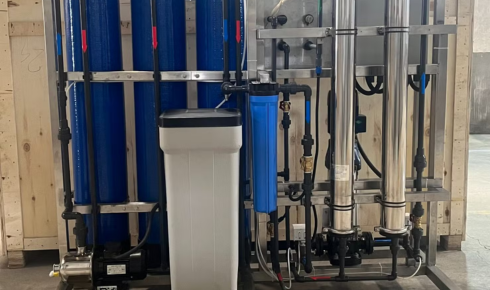
Among the most talked-about filtration options is reverse osmosis technology. It sounds complicated, but the concept is straightforward.
Water is pushed through a semi-permeable membrane that filters out dissolved solids and certain contaminants. What emerges is significantly purified water, often stored in a small tank under the sink and delivered through a separate faucet.
RO systems are particularly effective at reducing nitrates, fluoride (in some configurations), heavy metals, and high total dissolved solids.
For households on private wells, this can be especially valuable. Testing may reveal elevated minerals or contaminants that basic carbon filters can’t address.
Is Reverse Osmosis Overkill?
That depends entirely on your water.
If your municipal supply tastes great and tests well, a simple carbon filter may be enough. It can reduce chlorine taste and improve odor without stripping minerals.
But if you’ve tested your water and found specific concerns—or if taste and clarity are ongoing frustrations—RO may provide the level of refinement you’re looking for.
The key is alignment. Technology should match the problem, not exceed it unnecessarily.
Whole-House vs. Point-of-Use
One common misconception is that every filtration system needs to treat the entire home. That’s not always true.
Many homeowners install point-of-use systems under the kitchen sink, focusing only on water used for drinking and cooking. That keeps costs manageable while addressing the primary concern.
Whole-house systems make sense when sediment, iron, or high mineral content affects plumbing and appliances.
Again, it comes back to testing first.
Maintenance: The Often-Ignored Factor
Installing a filtration system isn’t a “set it and forget it” decision. Filters need replacing. RO membranes require periodic maintenance. Tanks should be inspected.
Neglecting upkeep can reduce performance or create bacterial growth inside stagnant components.
The good news is that most modern systems are designed for straightforward maintenance. Replacement schedules are predictable. Many units include reminders.
Consistency keeps performance high.
The Environmental Angle
Home filtration systems can also reduce reliance on bottled water. That’s not just convenient—it’s environmentally responsible.
Plastic waste from single-use bottles continues to be a growing concern. When your home system delivers water you trust, those cases of bottled water become unnecessary.
And that shift adds up over time.
The Emotional Side of Water Confidence
There’s something deeply reassuring about knowing your glass of water is exactly what you expect it to be.
Not slightly metallic. Not faintly chlorinated. Just clear, fresh, and reliable.
When you trust your water, you don’t think about it. You hydrate more naturally. You cook without hesitation. You hand a glass to your child without second-guessing.
That confidence is subtle—but powerful.
Final Thoughts
Water is foundational. It touches nearly every part of daily life, from your morning coffee to the pasta you boil at dinner.
Modern drinking water systems offer options that go beyond minimum standards, allowing homeowners to tailor their water to their preferences and needs.
Whether that means a simple carbon filter or advanced reverse osmosis, the smartest approach is informed decision-making.
Test your water. Understand your source. Choose a system that aligns with your goals.
Because in the end, the goal isn’t perfection. It’s peace of mind—and consistently clean drinking water that feels as good as it tastes.
And when that’s in place, you can finally turn on the tap without a second thought.