There’s this quiet assumption most of us grow up with — water is just water. It flows, it looks clear, it does its job. End of story.
But then life happens. You move homes, or maybe you start noticing small things that don’t quite add up. A strange taste. A smell you can’t explain. Or the way your skin feels after a shower — not terrible, just… off.
And that’s when the idea begins to settle in: maybe water isn’t as simple as we thought.
Two Sources, Two Very Different Experiences
One of the biggest differences in water quality comes down to where it originates.
If your home uses groundwater, you’re dealing with a natural source — which can sound reassuring at first. But well water often carries minerals, iron, or even sulfur, depending on the area. It’s untreated when it reaches you, which means everything in it comes straight into your home.
On the other hand, municipal water is treated before it arrives. It’s disinfected, regulated, and generally safe. But it can still carry chlorine, residual chemicals, and sometimes even trace contaminants from aging infrastructure.
So while both sources have their advantages, neither is perfect.
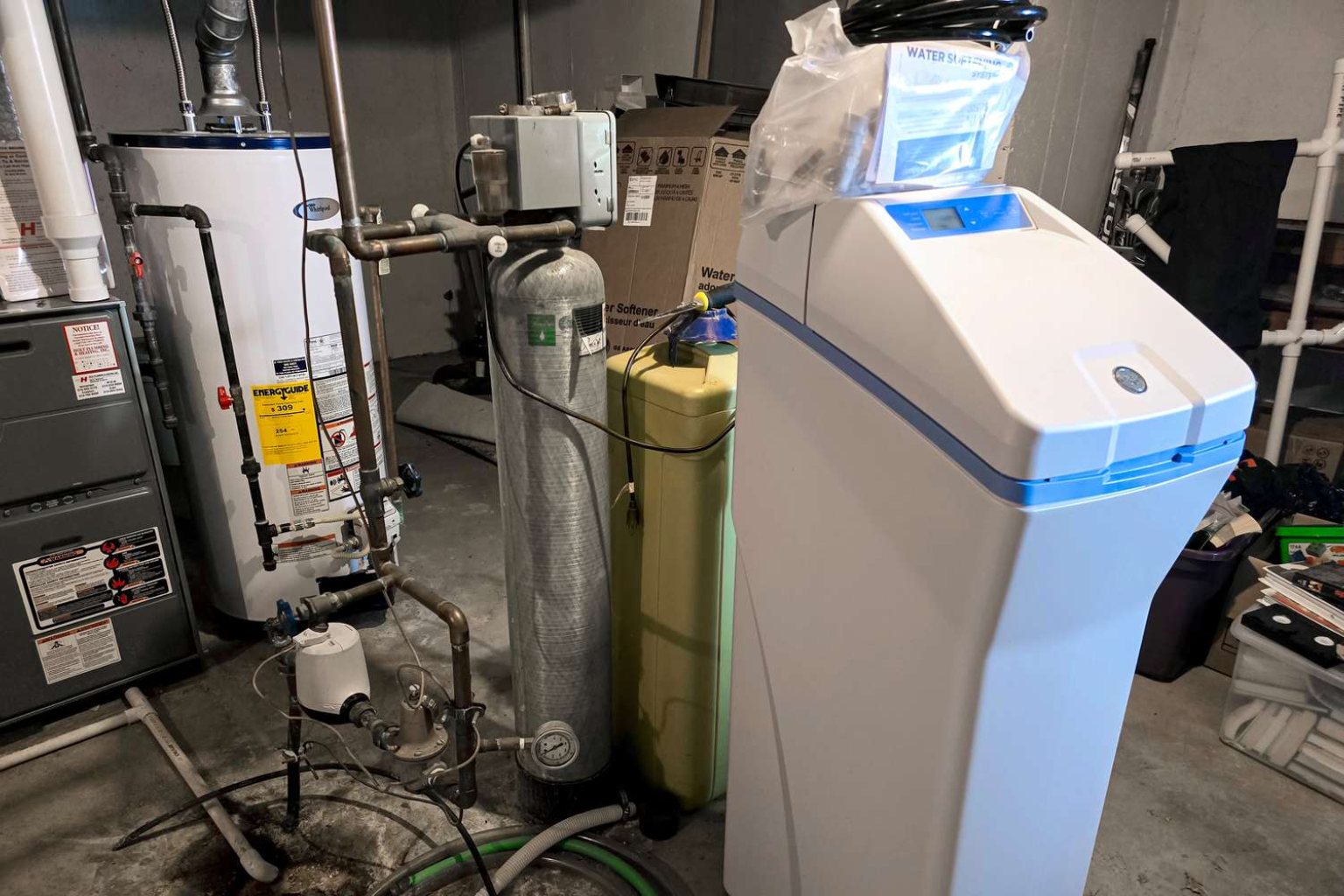
And that’s where well & city water filtration becomes more than just an option — it becomes a way to bridge the gap between “safe” and “actually comfortable to use.”
Why “Safe” Doesn’t Always Feel Right
Here’s something people don’t always talk about: water can meet safety standards and still feel unpleasant.
It can taste slightly metallic. It can carry a faint chemical smell. It can leave your skin feeling dry or your appliances coated with buildup.
None of these are emergencies, but they’re enough to make you question what you’re using every day.
And over time, those small discomforts start to matter more than we expect.
Because water isn’t something you use occasionally. It’s part of almost everything you do.
The Difference You Notice When Water Improves
When water quality improves, it’s not always a dramatic transformation.
It’s quieter than that.
Your drinking water tastes cleaner — not flavored, not altered, just neutral in a way that feels refreshing. Your showers feel more comfortable. Your laundry comes out the way it’s supposed to.
And gradually, you begin to experience something closer to optimized water quality — not perfect, not over-engineered, just balanced in a way that fits your home.
It’s a subtle shift, but it touches everything.
The Ripple Effect Across Your Home
What’s interesting is how far that improvement travels.
In the kitchen, it changes how your food tastes. Even simple things like boiling pasta or making tea feel more consistent.
In the bathroom, it affects your skin and hair. Less dryness, less irritation, fewer products needed to compensate.
In the background, your appliances benefit too. Less buildup, better efficiency, longer lifespan.
And perhaps most importantly, you spend less time dealing with the side effects of poor water — less scrubbing, less adjusting, less frustration.
Why One Approach Doesn’t Fit Everyone
It’s tempting to look for a universal solution. A system that works for every home, every water source, every situation.
But water doesn’t work that way.
What works for a well system might not address the issues in city water. And what solves taste problems might not fix mineral buildup.
That’s why understanding your specific water is so important.
It’s not about finding the “best” system. It’s about finding the right one for your situation.
Starting With Awareness, Not Assumptions
If you’re considering improving your water, the first step isn’t to buy anything.
It’s to pay attention.
Notice how your water tastes, smells, and behaves. Look at your fixtures, your appliances, your daily routines. Sometimes, the signs are already there — you just haven’t connected them yet.
From there, testing your water can give you a clearer picture of what’s actually present.
And once you know that, the decisions become much easier.
A Small Change That Feels Bigger Over Time
One of the most surprising things about improving water is how it doesn’t feel like a big change at first.
There’s no dramatic “before and after” moment. No instant transformation that grabs your attention.
Instead, it’s gradual.
Things feel a little easier. A little smoother. A little more consistent.
And over time, you realize that your home is simply working better.
A Final Thought on Getting It Right
Water is one of those things we rarely think about until something feels off.
But when you take the time to understand it — to adjust it, improve it, tailor it to your needs — it becomes something else entirely.
Not just a utility, but a quiet part of your home that supports everything you do.
And maybe that’s the real goal.
Not perfection. Not complexity.
Just water that feels right — every time you turn on the tap.