From the journal · October 29, 2026
Simple Ways to Enjoy Cleaner, Better-Tasting Drinking Water at Home
Water is one of those things we rarely think about until something seems wrong. Maybe your morning coffee tastes a little strange, your drinking glass has a faint odor, or you find yourself buying bottled water because you don’t enjoy what comes out of the kitchen tap. These small annoyances can become part of everyday life, even when you know there might be a better option.
The good news is that improving household water doesn’t always mean making major changes to your plumbing or spending a fortune on equipment. Understanding your water supply, identifying the issues that matter, and choosing suitable filtration can make a meaningful difference. It starts with knowing what you’re trying to improve rather than buying the first product that promises perfect water.
Related reading: Getting Your Home’s Water Right Starts With Good Advice · The Small Plumbing Habits That Can Save You From Bigger Repairs
Why Drinking Water Can Taste and Smell Different
Tap water quality varies depending on its source, treatment process, and the plumbing it travels through before reaching your glass. Municipal water suppliers generally treat water to meet applicable safety standards, but the treatment process can leave a noticeable chlorine taste or odor. Natural minerals may also affect flavor, while older plumbing can introduce other concerns that deserve investigation.
Water from a private well has a different set of considerations. Its characteristics depend on local geology, nearby land use, seasonal conditions, and the condition of the well itself. Iron and manganese may cause staining or unusual tastes, while hardness minerals can leave deposits on fixtures and appliances.
Appearance alone doesn’t tell the whole story. Water that looks perfectly clear may still contain substances that require testing, and cloudy water isn’t necessarily dangerous. If the taste or smell changes suddenly, or if you notice unusual discoloration, investigate the cause instead of simply masking it with a filter.
For many households, the goal is straightforward: clean, clear, better-tasting drinking water that makes filling a glass, preparing tea, and cooking meals more enjoyable. Finding the right solution depends on understanding what’s actually in the water.
Start With a Water Test, Not a Guess
It’s tempting to choose a filtration system based on online reviews or a friend’s recommendation. That can be useful for comparing products, but it doesn’t establish whether the equipment will address your particular water concerns.
A water test provides a more reliable starting point. If you receive water from a public utility, review its published water quality report and consider additional testing if you have concerns about your home’s plumbing. Private well owners should arrange appropriate testing through a qualified laboratory, following local guidance on what to test and how often.
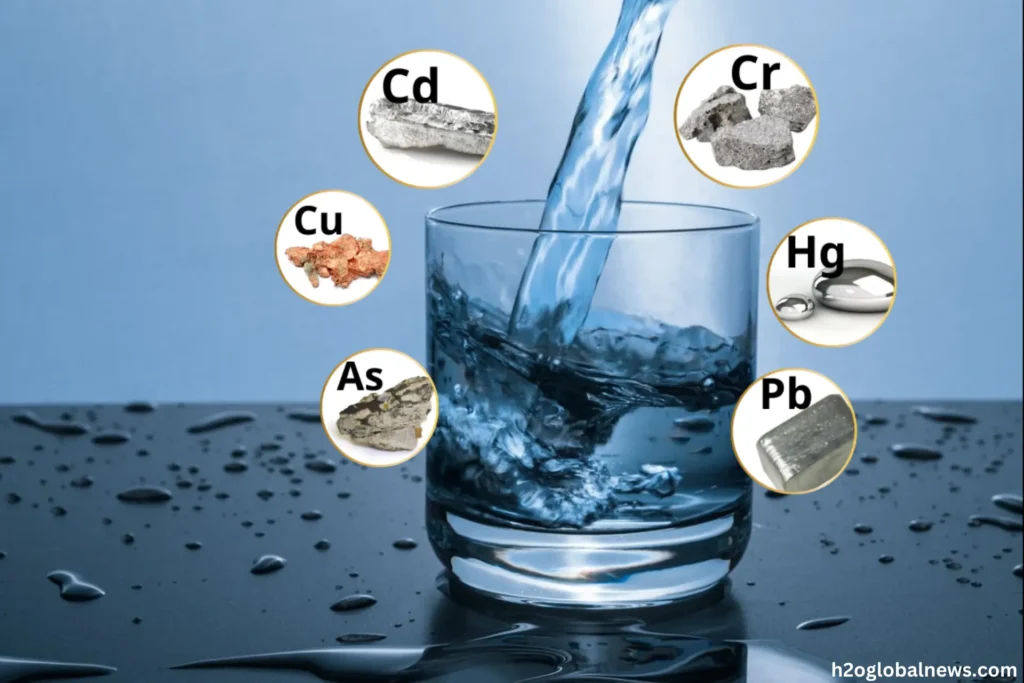
The right test depends on the source and the problem. Hardness testing can identify elevated calcium and magnesium, while other analyses may look for metals, nitrates, microbial contamination, or dissolved substances. No single test checks for everything, so choose testing based on the potential risks and your local circumstances.
Once you have the results, you can compare treatment options with greater confidence. This also helps avoid spending money on equipment that doesn’t solve the problem you have.
Understanding Different Water Filtration Options
Not all filters work in the same way. Some are designed mainly to improve taste and odor, while others target specific contaminants or reduce dissolved substances. Knowing the difference helps you choose a practical system for everyday use.
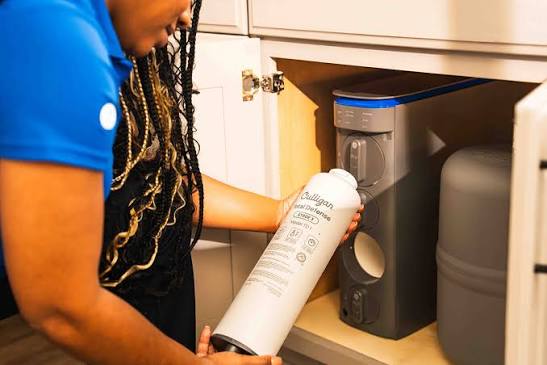
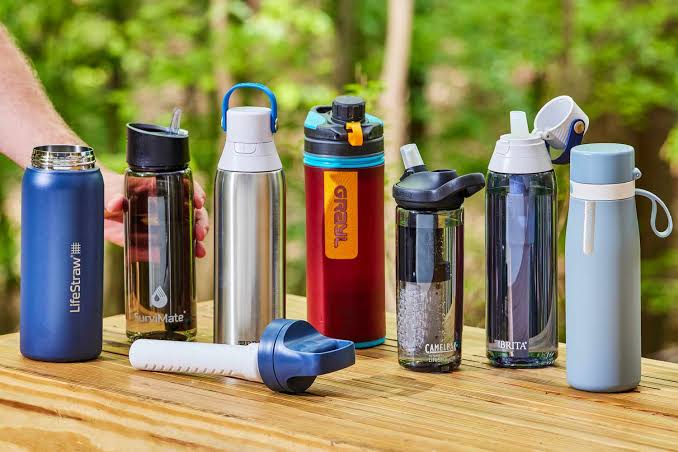
Activated carbon filters are often used to reduce chlorine taste and odor. Depending on the product’s design and certification, they may also reduce certain other substances. These filters are available in pitcher, faucet-mounted, countertop, and under-sink formats, making them convenient for households that want a relatively simple upgrade.
Reverse osmosis systems use a membrane to reduce many dissolved substances, with performance depending on the system design and water conditions. They can be useful when testing identifies concerns that this technology is designed to address. However, they typically require more installation space and maintenance than a basic carbon filter, and some produce wastewater during operation.
Sediment filters remove particles such as sand, rust, and other suspended material. Water softeners, meanwhile, primarily address hardness minerals rather than functioning as general drinking-water purifiers. These distinctions matter because one treatment method rarely solves every possible water quality issue.
Look for independently certified products with claims that match your needs. A filter advertised as improving taste should not automatically be assumed to remove lead, bacteria, or every other contaminant.
Is Bottle-Quality Water Possible at Home?
Many people purchase bottled water because they prefer its flavor or find it more convenient than dealing with tap water. Over time, though, carrying bottles home, storing them, and disposing of the packaging can become tiresome. The ongoing cost can add up, too.
With appropriate testing and a properly selected treatment system, some households can achieve a taste and drinking experience similar to the bottled water they prefer. In that sense, bottle-quality water at home can be a realistic goal, although the result depends on the original water supply and the treatment equipment used.
It’s worth remembering that bottled water isn’t one uniform product. Different brands use different sources and treatment processes, so their mineral content and flavor can vary considerably. Some people prefer water with a particular mineral profile, while others like a very neutral taste.
If you’re trying to recreate a specific flavor, compare the product’s water source and mineral information where available. A filtration system may improve taste substantially, but it won’t necessarily reproduce the exact characteristics of a particular brand.
Choose a System That Fits Your Household
A household of two people who mainly want to improve drinking-water taste may have very different needs from a family with several bathrooms, a private well, and noticeable scale buildup throughout the home.
Consider how much water you use, where you want it treated, and how much maintenance you’re comfortable handling. A pitcher filter may suit a small household or renter, while an under-sink unit can provide treated water directly at the kitchen tap. A whole-house system may be appropriate when the issue affects multiple fixtures or appliances, although it isn’t always necessary for drinking-water concerns alone.
Modern water purifier systems come in many designs, but the most useful choice isn’t automatically the most advanced or expensive. Look at the system’s tested reduction claims, rated capacity, filter replacement schedule, installation requirements, and ongoing costs. Also check whether replacement cartridges are readily available.
Don’t overlook the importance of correct installation. A poorly fitted connection can leak, and a neglected filter may lose effectiveness or affect water flow. Follow the manufacturer’s instructions and replace components at the recommended intervals.
Everyday Habits That Help Maintain Water Quality
Even a good filtration system needs sensible care. Replace filters according to the manufacturer’s schedule, or sooner if the instructions specify replacement based on usage or water conditions. If a system includes a storage tank, membrane, or additional treatment stages, follow the maintenance guidance for each component.
Keep drinking-water containers clean and avoid leaving water exposed to heat or direct sunlight for long periods. If your home has been empty for an extended time, flushing stagnant water from the plumbing may be advisable; follow local public health guidance, especially if you have a private well or a known plumbing concern.
Pay attention to changes in taste, odor, pressure, and appearance. These signs don’t automatically mean the water is unsafe, but they can indicate that testing or maintenance is needed.
Make Better Water a Practical Part of Daily Life
Improving drinking water doesn’t have to become a complicated home project. Start by understanding your supply, testing for relevant concerns, and identifying what you want to change. Then choose treatment equipment based on verified performance, not just attractive packaging or broad promises.
The right approach can make everyday routines more pleasant, from filling a reusable bottle before work to preparing dinner or enjoying a glass of water at the end of the day. Just as importantly, it helps you make decisions based on evidence rather than guesswork.
Clean, enjoyable water begins with a simple principle: know your water, treat the problems that matter, and maintain your equipment properly. With those basics in place, better drinking water can become an ordinary, dependable part of home life.