Most of us don’t give water much thought. We turn on the tap, fill a glass, rinse vegetables, and move on with the day. It’s background noise in the rhythm of home life. Until something changes.
Maybe you notice a faint cloudiness when you pour a glass. Maybe your coffee tastes a little off. Or perhaps your shower leaves a residue you can’t quite scrub away. These things aren’t dramatic. They’re subtle. But subtle problems tend to linger.
When people decide to improve their water quality, the first instinct is usually to buy a simple pitcher filter or faucet attachment. And sometimes, that’s enough. But water issues are rarely one-dimensional. Which is why a layered approach—often called multi-stage filtration—can make far more sense.
Water Isn’t Just One Thing
Here’s the thing about tap water: it can contain different types of impurities at once. Sediment from aging pipes. Dissolved minerals. Residual chlorine from municipal treatment. Occasionally trace metals, depending on plumbing materials.
A single filter type rarely addresses all of those concerns effectively.
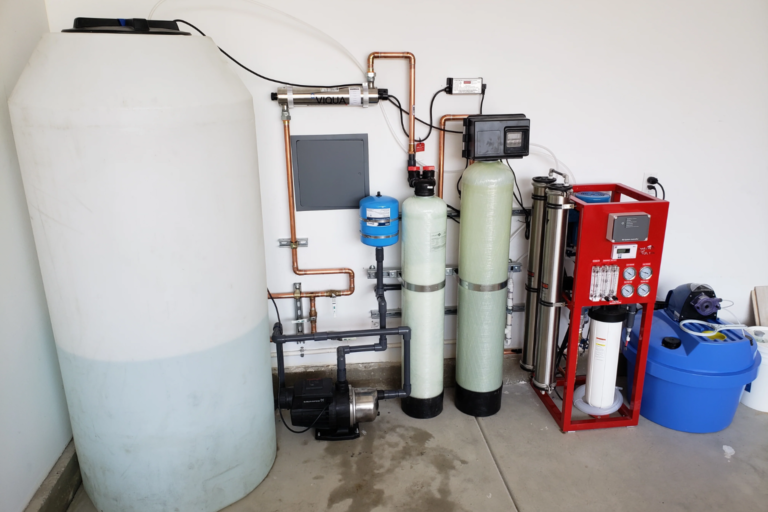
That’s why multi-stage systems exist. Instead of relying on one material to do everything, they combine different filtration technologies in sequence. Each stage handles a specific job.
It’s a bit like cleaning a really dirty window. You wouldn’t use only water or only soap. You’d layer the process. First remove debris. Then tackle smudges. Then polish.
Water treatment works similarly.
The Role of Sediment in Everyday Water Problems
Let’s start with what you can sometimes see: particles. Tiny grains of sand, rust flakes, or silt can enter your home’s plumbing from municipal lines or well systems.
They’re not necessarily dangerous, but they’re annoying. They clog faucet aerators, reduce water pressure, and create cloudiness in drinking water.
That’s where sediment filters come into play. Installed at the point of entry or under the sink, these filters trap physical particles before they travel through your pipes or appliances.
By handling debris first, sediment filters protect downstream components in the system. They prevent premature clogging of finer filters that come later.
It’s foundational. Basic. But essential.
Tackling Taste and Odor
Once particles are removed, chemical residues often become the next focus. Chlorine is one of the most common contributors to taste and odor concerns. Municipal systems rely on it for disinfection, which is important. But it can leave behind a flavor some people simply don’t enjoy.
This is where carbon filters shine.
Activated carbon is highly effective at absorbing chlorine and certain organic compounds. It improves taste, reduces odor, and can enhance overall clarity.
If you’ve ever used a simple pitcher filter, you’ve likely experienced carbon filtration. In a multi-stage system, carbon often follows sediment filtration, ensuring it works efficiently without being clogged by debris.
The result? Water that tastes cleaner and smells more neutral.
Why One Filter Isn’t Enough
A single-stage filter is like a multitool—it can do several jobs, but none perfectly. A multi-stage system, on the other hand, allows each component to specialize.
One stage removes large particles. Another reduces chemical compounds. In more advanced setups, additional stages may address dissolved solids or specific contaminants.
Layering filtration increases effectiveness while extending the lifespan of each individual filter.
It’s not about complexity for its own sake. It’s about precision.
Whole-House vs. Point-of-Use Systems
Multi-stage systems can be installed in different ways.
Whole-house filtration treats water at the main entry point, ensuring every faucet, shower, and appliance benefits. This approach is ideal for homes dealing with sediment-heavy water or noticeable chlorine odor throughout.
Point-of-use systems focus on specific taps—usually the kitchen sink. They’re often more affordable and suitable for families primarily concerned about drinking and cooking water.
The right choice depends on your goals. Testing your water first makes the decision clearer.
Maintenance Isn’t Complicated—Just Necessary
Any filtration system requires maintenance. Sediment filters typically need replacement every few months, depending on water quality. Carbon cartridges may last six months to a year.
Skipping maintenance reduces effectiveness and can even compromise water flow.
Fortunately, most modern systems are designed for straightforward cartridge swaps. Once you’ve done it once, it becomes routine.
Think of it like changing your air filter. Not exciting. But worth doing.
The Quiet Payoff
The benefits of layered filtration aren’t flashy. They show up in small, steady ways.
Coffee tastes smoother. Ice cubes freeze clearer. Showers feel cleaner. Appliances may accumulate less scale and sediment.
Over time, you notice fewer irritations. And sometimes, fewer service calls for clogged valves or worn-out fixtures.
It’s not about perfection. It’s about improvement.
A Thoughtful Upgrade That Lasts
Water touches nearly every part of your daily routine. It’s in your cooking, your laundry, your showers, your morning coffee.
When you choose a filtration system designed with layers—each stage serving a clear purpose—you’re investing in reliability.
Not a gimmick. Not a temporary fix.
Just a smarter way to handle something you use every single day.
Because clean water shouldn’t be complicated. It should simply feel right.