From the journal · August 21, 2026
Making Everyday Home Access Easier With the Right Ladder and Installation Help
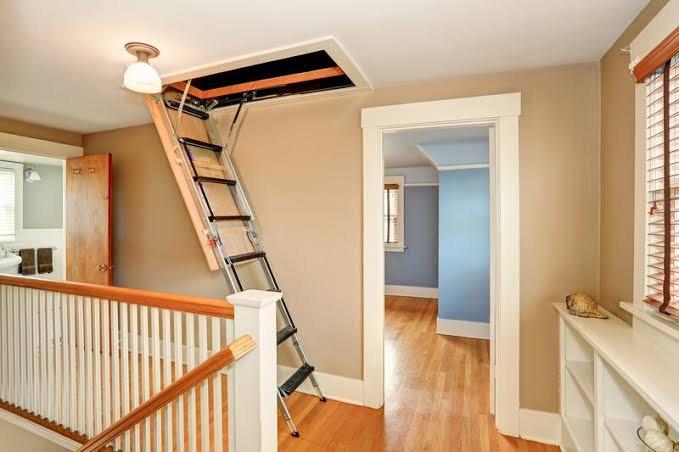
There are some jobs around the house that seem ridiculously simple—until you actually try to do them. Reaching a storage area in the attic, changing something above a high ceiling, or getting access to a hard-to-reach corner can quickly turn into a balancing act involving a chair, a stool, and probably a few nervous moments.
The right ladder can make these jobs much safer and less frustrating. But choosing one isn’t only about height. You also need to think about stability, available space, materials, frequency of use, and how the ladder will fit into your home or workplace. Sometimes, professional installation is just as important as the ladder itself.
Related reading: Simple Ways to Enjoy Cleaner, Better-Tasting Drinking Water at Home · Getting Your Home’s Water Right Starts With Good Advice
Making Attic Access Less of a Chore
Attics are useful for storing seasonal decorations, luggage, old documents, and all those things we don’t want taking up space downstairs. The problem is getting up there comfortably.
A properly installed attic ladder can turn an awkward opening into a practical access point. Instead of dragging a heavy portable ladder across the room every time you need something, a folding or telescoping attic ladder can remain neatly stored above the ceiling.
Before choosing one, measure the ceiling height and the size of the existing opening. Pay attention to the available floor space below as well. A ladder may technically fit the opening but still be difficult to extend if furniture, walls, or doors are in the way.
The weight rating matters, too. Consider not just the user’s body weight but also anything they might be carrying. Climbing into an attic while holding a storage box isn’t the same as climbing an empty ladder.
Why Aluminum Is Popular for Ladder Projects
Ladders come in several materials, including wood, fiberglass, and aluminum. Each has its place, but aluminum is often appreciated for being relatively lightweight while still providing useful strength.
For certain spaces, a custom length aluminum ladder can be particularly practical. Standard ladder sizes don’t always work perfectly in homes, workshops, warehouses, or commercial buildings where the required reach falls somewhere between common dimensions.
Getting the length right helps avoid two common problems: using a ladder that’s too short and overreaching, or using one that’s unnecessarily long and difficult to position. Neither situation is ideal.
When selecting an aluminum ladder, look beyond its length. Check the weight capacity, rung design, footing, locking mechanism, and overall construction. A ladder that feels solid on the ground is far more reassuring than one that shifts every time you climb.
Installation Is Where Good Planning Pays Off
Buying the right equipment is only half the job. Installation can make a major difference in how safely and reliably that equipment performs.
For homeowners and businesses, residential and commercial handyman installation services can be useful when a project involves measuring, mounting, fastening, adjusting, or modifying existing structures.
A professional can identify potential problems before installation begins. For example, attic ladder installation may require checking framing around the opening, while a wall-mounted ladder or access system may need secure attachment to appropriate structural points.
This isn’t really the place to “wing it.” A ladder that looks perfectly secure at first can become dangerous if it’s attached to weak material or installed at the wrong angle.
Think About the Space Around the Ladder
One detail people often forget is the area surrounding the ladder. You need enough room to climb comfortably, but also enough clearance to open, close, extend, or fold the ladder without hitting nearby objects.
In a home, this could mean moving a light fixture, rearranging furniture, or keeping a hallway clear. In a commercial setting, the considerations can be even more complicated because employees, customers, equipment, and stored materials may share the same space.
A few minutes spent planning the installation area can prevent plenty of headaches later.
Safety Shouldn’t Be an Afterthought
Even a high-quality ladder isn’t automatically safe. Users still need to follow basic ladder practices.
Keep the ladder on a stable surface and avoid climbing when you’re carrying something that requires both hands. Maintain three points of contact whenever possible. Don’t stand on rungs that the manufacturer says aren’t intended for standing, and never exceed the stated weight limit.
For attic ladders especially, check that the ladder is fully extended and locked before climbing. If anything feels loose, bent, damaged, or unstable, stop and inspect it before using it again.
It’s easy to get complacent when a ladder is something you use regularly. That’s exactly when small problems can become serious ones.
Maintenance Keeps Small Problems Small
Ladders don’t require complicated maintenance, but they shouldn’t be forgotten once installed.
Periodically inspect hinges, bolts, rungs, feet, springs, and locking mechanisms. Look for corrosion, cracks, unusual movement, or loose hardware. For attic ladders, also check the surrounding frame and make sure the ladder continues to open and close smoothly.
If the ladder starts making unusual noises or feels different under load, don’t ignore it. A quick inspection or professional repair is much cheaper than dealing with an accident.
The Right Setup Saves Time and Stress
A well-planned ladder system is one of those home improvements you may barely think about after installation. And that’s actually the point. It should make access easier without becoming another problem to manage.
Whether you’re improving attic access, choosing an aluminum ladder for a specific height, or arranging installation for a home or business, focus on fit, stability, quality, and safe use.
You don’t need to turn every household project into a major renovation. Sometimes, a carefully measured ladder and a solid installation are enough to make an inconvenient part of a building feel surprisingly easy to use.
And honestly, anything that lets you stop balancing on a chair just to reach a storage box is probably an improvement worth making.