From the journal · October 28, 2026
Keeping Your Water Treatment System Reliable With the Right Care and Service
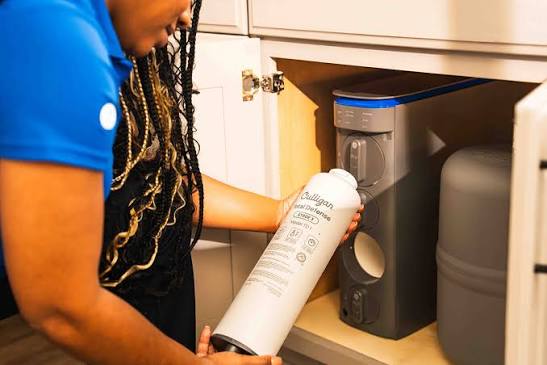
Clean, dependable water is one of those things people rarely think about until something goes wrong. Maybe the water starts leaving spots on glassware, the shower no longer feels as comfortable, or the drinking water develops an unusual taste. Sometimes, the warning signs are less obvious. A water treatment system may continue running while quietly becoming less efficient. That is why looking after your equipment matters just as much as choosing the right system in the first place.
Like any important part of a home, water treatment equipment needs attention from time to time. Filters become saturated, moving parts wear down, and settings may need adjustment as household water use changes. With a sensible care routine and help from experienced professionals, homeowners can keep their systems working properly and avoid many of the frustrations that come with neglected equipment.
Related reading: Simple Ways to Enjoy Cleaner, Better-Tasting Drinking Water at Home · Getting Your Home’s Water Right Starts With Good Advice
Why Routine Attention Makes a Difference
Water treatment systems are designed to solve particular problems, whether that means reducing hardness, improving drinking water quality, or filtering unwanted particles. Their performance depends on several components working together. When one part becomes clogged, worn, or incorrectly adjusted, the entire system can be affected.
Regular system maintenance helps identify these issues before they turn into bigger problems. Depending on the equipment, routine care may involve inspecting connections, checking valves, cleaning certain components, testing water quality, and replacing filters or other consumable parts. Water softeners may also require checks of their regeneration settings and brine tanks.
The right maintenance schedule depends on the system and the quality of the incoming water. A household with particularly hard water or high daily consumption may need more frequent attention than a home with lighter use. Rather than relying on guesswork, homeowners should follow the manufacturer’s recommendations and ask a qualified technician when something is unclear.
There is also a practical benefit to staying ahead of problems: peace of mind. Knowing that the equipment has been inspected and is operating as intended makes it easier to trust the water treatment process.
Recognizing the Signs of a Problem
Water treatment equipment often gives small clues when it needs attention. A water softener may stop producing the expected results, leaving mineral deposits on faucets or making soap harder to rinse away. A drinking water filter might deliver water more slowly than usual, while a filtration unit may begin making unfamiliar noises.
These changes don’t always mean the system has failed. A filter may simply be overdue for replacement, or a setting may need adjustment. Still, they shouldn’t be ignored, especially when the same issue keeps returning.
Homeowners can perform a few basic checks without opening or dismantling equipment. Look for visible leaks around connections, check whether the system has power, and confirm that salt or replacement filters are available when required. If the equipment displays an error code, consult its manual before attempting a reset.
Persistent problems call for professional attention. Water systems involve plumbing connections, pressure, and sometimes electrical components, so attempting complicated repairs without the right knowledge can make matters worse. A quick inspection by an experienced technician is often the safer and more economical choice.
Getting Help When Repairs Are Needed
Even well-maintained equipment can develop faults. Seals can deteriorate, valves can stick, pumps can wear out, and electronic controls may eventually need replacement. What matters is how quickly and correctly the problem is addressed.
Reliable repairs & service can help restore performance while identifying the underlying cause of the issue. For example, if a water softener repeatedly fails to regenerate, simply adjusting its settings may not solve the problem. The technician may need to examine the control valve, water supply, or other components to determine what is actually happening.
Clear communication is important throughout the process. A good service professional should explain the problem in plain language, outline the available options, and provide a reasonable estimate before beginning significant work. Homeowners should understand whether a component can be repaired or whether replacement makes more sense because of age, condition, or cost.
It’s worth asking about warranties and service records, too. Keeping a record of previous visits, replaced parts, and recommended follow-up work can make future troubleshooting easier. If the same fault appears again, those details help the technician understand the system’s history instead of starting from scratch.
Salt Delivery and the Everyday Needs of a Water Softener
For homes with a salt-based water softener, keeping the brine tank supplied is an important part of normal operation. Salt helps the system regenerate its resin, allowing it to continue removing hardness minerals from the water. When the supply runs low, the softener may no longer deliver the results the household expects.
Regular salt delivery can make this task simpler, particularly for busy households or people who prefer not to carry heavy bags from a store. A dependable delivery arrangement helps homeowners maintain a consistent supply and reduces the chance of discovering an empty tank at an inconvenient time.
Not every water softener uses salt, and the correct product varies by equipment. Before ordering, check the manufacturer’s instructions and choose a compatible type. Avoid filling the tank beyond its recommended level, and inspect it occasionally for a hardened salt mass or unusual buildup that could interfere with operation.
Salt consumption also depends on water hardness, household size, and the system’s settings. If a softener suddenly uses far more salt than usual, that may indicate a configuration issue or another problem worth investigating. Simply adding more salt won’t necessarily fix it.
Small Habits That Help Protect Your Investment
A few straightforward habits can make water treatment equipment easier to manage. Keep the area around the unit accessible, dry, and free from stored items that might block ventilation or hide leaks. Follow the recommended schedule for filter replacement, and avoid using unapproved cleaning products or replacement parts.
It’s also helpful to pay attention to changes in water quality. If the water begins tasting different or household fixtures develop deposits again, don’t assume the change is harmless. Incoming water conditions can vary, and a system that worked perfectly last year may need adjustment today.
Water testing can provide useful information when performance becomes uncertain. A qualified professional can help determine whether the issue comes from the incoming supply, the treatment equipment, or a maintenance requirement. This is particularly valuable when several symptoms appear at once.
Finally, keep the equipment’s manual and service contact details somewhere easy to find. It sounds simple, but those small details save time when a problem occurs unexpectedly.
Choosing Service That Fits Your Household
Good water treatment support shouldn’t feel complicated. Homeowners need honest recommendations, clear explanations, and practical solutions suited to their equipment and daily needs. A service provider who takes the time to understand the situation is more likely to recommend useful work instead of unnecessary replacements.
When comparing providers, consider their experience with your particular system, the clarity of their pricing, and whether they explain preventive care as well as repairs. Ask what their service visit includes and whether they offer reminders for recurring tasks. The cheapest option isn’t always the best value if the underlying problem remains unresolved.
Water treatment equipment is a long-term investment in everyday comfort. Looking after it doesn’t require constant attention, but it does require a little consistency. With routine inspections, timely repairs, and the right supplies on hand, homeowners can reduce avoidable interruptions and get more dependable performance from their systems.
In the end, reliable water isn’t just about installing the right equipment. It’s also about making sure that equipment continues to do its job, season after season, with support that’s there when you need it.