From the journal · November 26, 2026
Keeping Well Water Safe at Home: How UV Treatment Helps Protect Your Family’s Water Supply
Living in a home with a private well has its advantages. There’s a certain satisfaction in having your own water supply, especially if you live somewhere away from the hustle and bustle of the city. But that independence also comes with responsibilities that aren’t always obvious. Water can look beautifully clear and taste perfectly normal while still containing potentially harmful microorganisms.
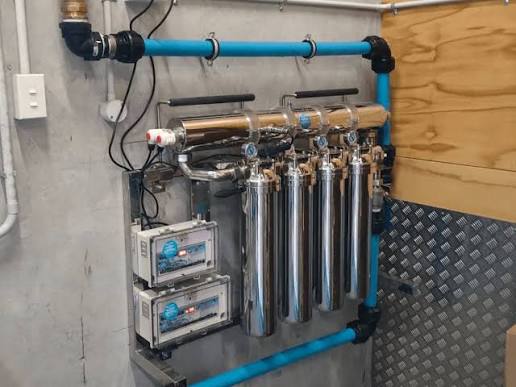
For homeowners looking to manage microbial contamination risks, residential uv water treatment offers a practical disinfection method that doesn’t require adding chemical disinfectants to the water.
Related reading: From Cloudy Water to Rusty Stains: A Practical Guide to Improving Your Home’s Well Water · Simple Ways to Enjoy Cleaner, Better-Tasting Drinking Water at Home
Of course, installing equipment is only part of the picture. Understanding your water source, arranging regular testing, and maintaining treatment systems are equally important.
A thoughtful approach can help you feel more confident about the water your family depends on every day.
Why Clear Well Water Isn’t Always Safe Drinking Water
It’s easy to associate contaminated water with unpleasant smells, muddy appearances, or unusual tastes. Unfortunately, microbial contamination doesn’t always leave such obvious clues.
Many bacteria concerns in well water arise from circumstances homeowners might not immediately associate with their drinking water supply, including heavy rainfall, flooding, damaged well seals, and nearby sources of contamination.
Groundwater conditions can also change over time. A well that has delivered satisfactory water for decades isn’t automatically protected against future contamination.
That’s why regular laboratory testing is so important.
Testing for bacterial indicators, including total coliforms and E. coli, can help identify potential problems that would otherwise go unnoticed.
If contamination is discovered, follow local public health guidance and investigate the condition of your well. Addressing the source of contamination remains important, even when treatment equipment is available.
How Ultraviolet Water Treatment Actually Works
The idea of disinfecting water with light might sound unusual, but the underlying process is relatively straightforward.
Effective water purification with UV technology involves exposing water to germicidal ultraviolet radiation that damages the genetic material of susceptible microorganisms, preventing them from reproducing effectively.
Inside a residential treatment unit, water flows through a chamber containing a protected ultraviolet lamp or another suitable UV source.
When the equipment delivers an appropriate dose under suitable operating conditions, it can inactivate various bacteria, viruses, and protozoa.
Unlike chemical disinfection methods, ultraviolet treatment doesn’t normally introduce additional flavors or odors into the water.
It’s a relatively unobtrusive technology that can operate in the background while your household continues its usual activities.
However, successful disinfection depends on proper equipment sizing, water clarity, and consistent maintenance.
Why Additional Filtration May Be Necessary
One thing worth understanding is that ultraviolet disinfection isn’t the same as conventional filtration.
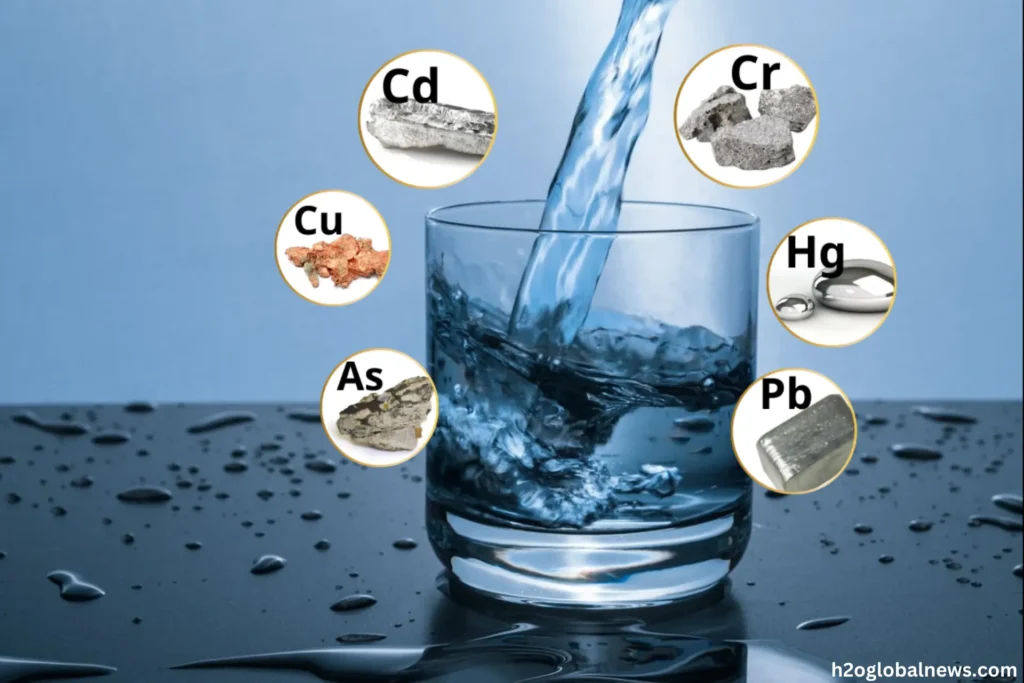
UV light doesn’t physically remove dirt, dissolved minerals, chemicals, or heavy metals from water.
If your well contains excessive sediment, suspended particles may interfere with light transmission and reduce disinfection effectiveness.
Iron deposits and hardness-related buildup can also create maintenance challenges.
Depending on water testing results, a treatment professional may recommend sediment filtration, specialized iron removal, or softening before ultraviolet disinfection.
Each component performs a different job.
Think of it as a team rather than a collection of interchangeable devices. When the individual treatment stages are appropriately selected, they can support more consistent overall performance.
Finding a UV Treatment System That Fits Your Home
Choosing ultraviolet equipment isn’t simply a matter of purchasing the largest available unit.
Household water demand, incoming water quality, and validated disinfection performance should all influence equipment selection.
Picture a busy Saturday morning when someone is showering, the washing machine is running, and another family member is preparing breakfast. Your treatment equipment needs to accommodate that combined water demand.
An incorrectly sized system may not deliver adequate ultraviolet exposure during periods of excessive flow.
Ask your installer about treatment capacity, water quality requirements, independent performance verification, and monitoring features.
Systems equipped with warning alarms and suitable automatic shutoff mechanisms can offer additional protection when operating conditions fall outside acceptable limits.
It’s worth understanding these features before making a purchase rather than discovering their importance during an equipment failure.
Keeping Your UV Equipment in Good Working Condition
Ultraviolet systems tend to operate quietly, making them easy to forget once installed.
However, a glowing lamp doesn’t necessarily indicate that sufficient germicidal radiation is being delivered.
UV lamps gradually lose intensity, while protective quartz sleeves may develop deposits that interfere with light transmission.
Following manufacturer recommendations for lamp replacement, sleeve cleaning, and servicing is essential.
Most systems also require a continuous electricity supply. During power interruptions, disinfection may stop, and homeowners should follow appropriate water safety guidance before resuming consumption.
Keeping maintenance records and scheduling routine servicing can help prevent unexpected problems.
It’s a relatively small responsibility considering the important role the equipment performs.
Making Regular Water Testing a Household Habit
Installing disinfection equipment doesn’t eliminate the need for water testing.
Periodic testing helps homeowners monitor their water supply and identify changes that might require additional attention.
Consider arranging extra testing following flooding, significant well repairs, or unexpected changes in water appearance or odor.
Keep copies of previous laboratory results so you can compare findings over time.
If problems repeatedly occur, consult a qualified professional to investigate underlying causes rather than relying entirely on treatment equipment.
This ongoing attention can help protect both your water supply and your investment.
Greater Confidence in the Water Your Family Uses
Owning a private well shouldn’t mean constantly worrying about water quality. With appropriate testing, properly selected treatment equipment, and consistent maintenance, homeowners can take meaningful steps toward managing microbial risks.
Ultraviolet disinfection can be a valuable part of that approach.
Ultimately, protecting your water supply is about looking after the ordinary moments that make a house feel like home. Preparing dinner, filling a glass before bedtime, or making breakfast for your family should be simple, comfortable experiences supported by responsible water management.